

Brain Train Center Blog

Brain Health Articles & Resources
Welcome to the Brain Train Centers blog where we share information on the values and results of neurofeedback, the benefits of brain mapping and QEEGs, the process and purpose of brain training, and the solutions we can solve by including mindfulness and whole health integration that starts with the physical brain.
Below you will find blogs and articles shared by our Brain Train Centers Certified Brain Coaches. Feel encouraged to share with your friends and family to help them understand the values of brain and mental health
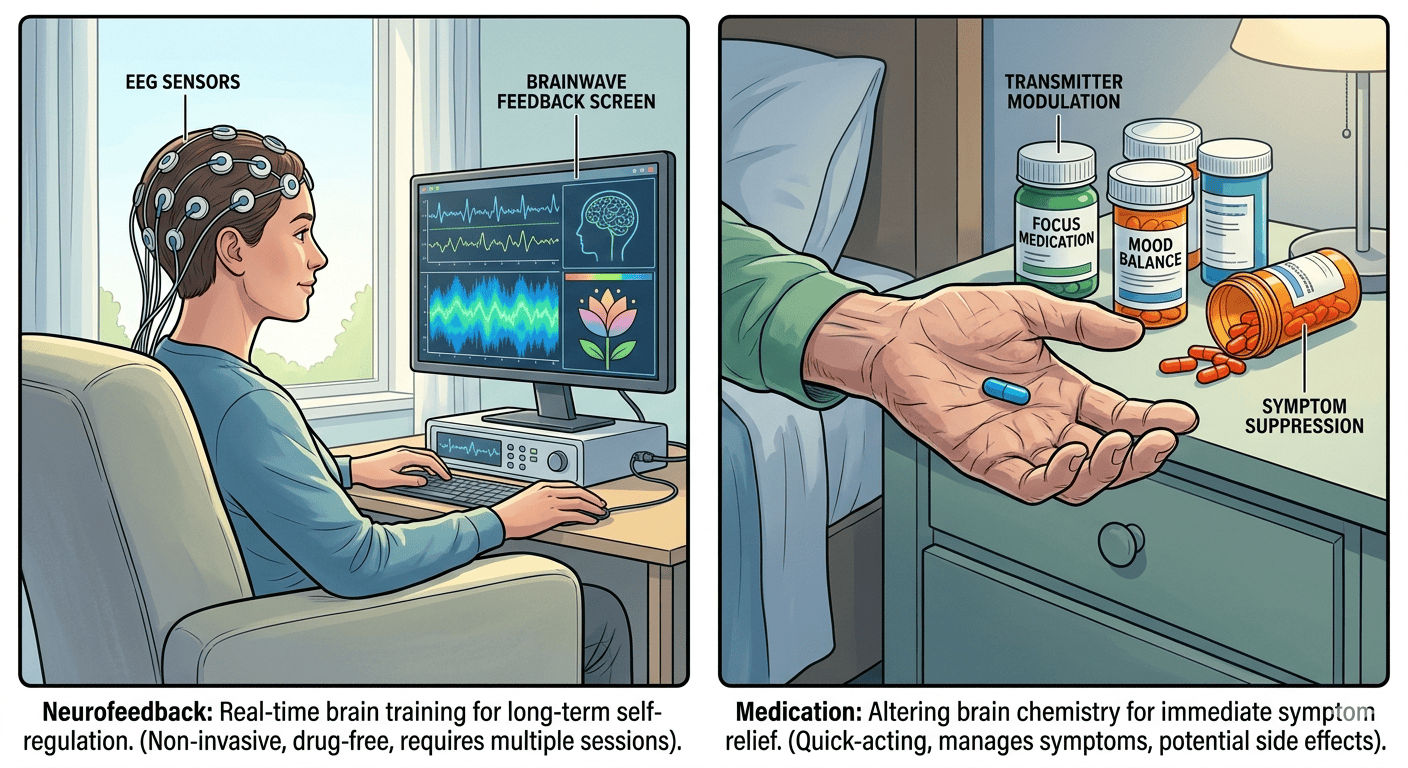
Neurofeedback vs. Medication: What’s the Difference?
Neurofeedback and medication both support brain health—but they work in very different ways. This guide explains how neurofeedback retrains brain activity, how medication provides fast symptom relief, and how to choose which option is right for your needs. Learn the benefits, differences, and when a combined approach may help.
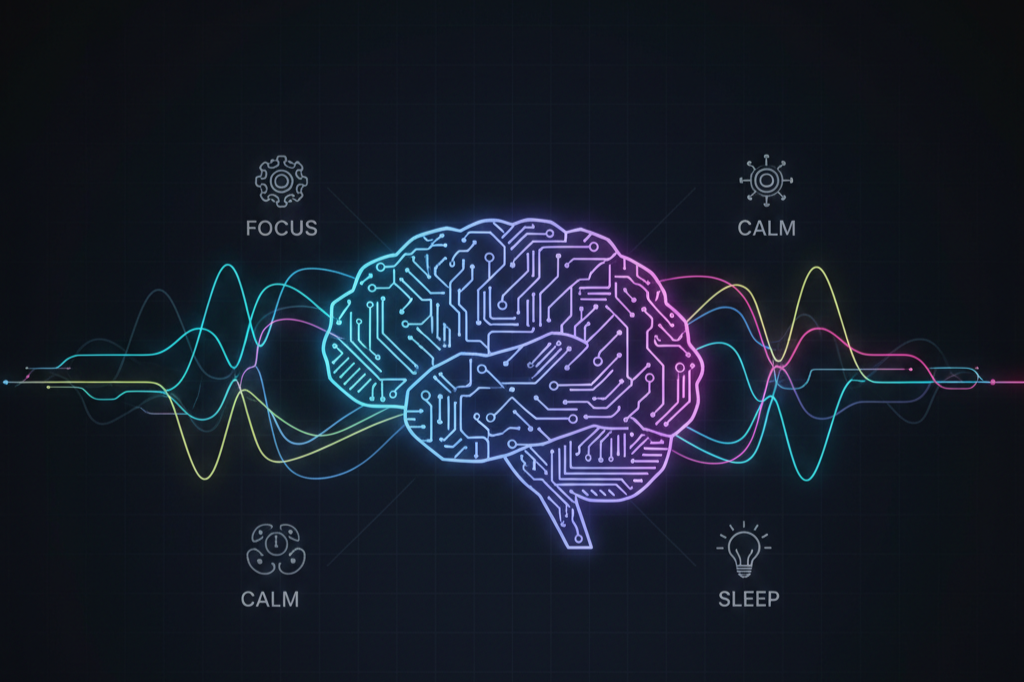
What to Expect from a qEEG Brain Map
Excerpt:
A qEEG brain map is a safe, non-invasive assessment that measures your brainwave activity to reveal patterns linked to focus, mood, and sleep. This step-by-step process helps providers understand how your brain functions and create a personalized neurofeedback plan designed to support better balance and overall wellness.

Stuck in Survival Mode? How Neurofeedback Helps Your Brain Reset
When your brain is stuck in survival mode, even simple tasks can feel overwhelming. Neurofeedback gently guides your brain back to balance, helping reduce anxiety, improve sleep, and restore emotional clarity. It's a natural, drug-free way to help your nervous system reset—so you can feel like yourself again.
How a Brain Map (qEEG) Guides Neurofeedback Training
A qEEG brain map provides a personalized look at your brain’s activity, identifying imbalances that may affect focus, mood, or sleep. This detailed snapshot helps create a custom neurofeedback plan, making your training more targeted and effective. Learn how brain mapping guides your path to better mental wellness.

How Neurofeedback Fits into a Holistic Wellness Plan
True wellness supports both body and brain. This guide shows how neurofeedback fits into a holistic plan—enhancing nutrition, movement, sleep, and stress relief. By training your brain to self-regulate, you boost the effectiveness of every other wellness habit for deeper, more lasting results.
How Exercise Improves Brainwaves and Focus
Exercise isn’t just for your body; it’s fuel for your brain. Learn how movement boosts key brainwaves like alpha and beta, improves focus, and supports neuroplasticity. This guide explains the connection between exercise and brain function, and offers simple tips to move your way to a sharper mind.
Everyday Habits That Boost Brain Health
Your daily habits shape your brain’s health and performance. This guide explores powerful routines, like exercise, sleep, nutrition, and learning, that support memory, focus, and emotional well-being. Discover how small changes and tools like neurofeedback can build a sharper, healthier, and more resilient brain.
What Is a qEEG? A Guide to Brain Mapping
A qEEG, or brain map, gives a detailed view of your brain’s electrical activity. By comparing your brainwave patterns to a healthy baseline, it reveals imbalances linked to focus, mood, and sleep. This non-invasive tool helps guide targeted neurofeedback for better brain function and long-term wellness.
Supplements That Support Brain Health Naturally
Looking to boost focus, memory, or mood naturally? Certain supplements like omega-3s, B vitamins, magnesium, and adaptogens can support your brain’s performance. While not a replacement for a healthy lifestyle, they’re a powerful addition to it. Learn which supplements are backed by research and how to choose the right ones.

The Science of Brainwaves: How Neurofeedback Works
Your brain’s electrical signals shape how you think, feel, and function. Neurofeedback taps into these brainwaves—like Alpha for calm or Beta for focus—to train your brain for better balance. This non-invasive method helps improve mood, attention, and sleep by gently guiding your brain into healthier patterns.
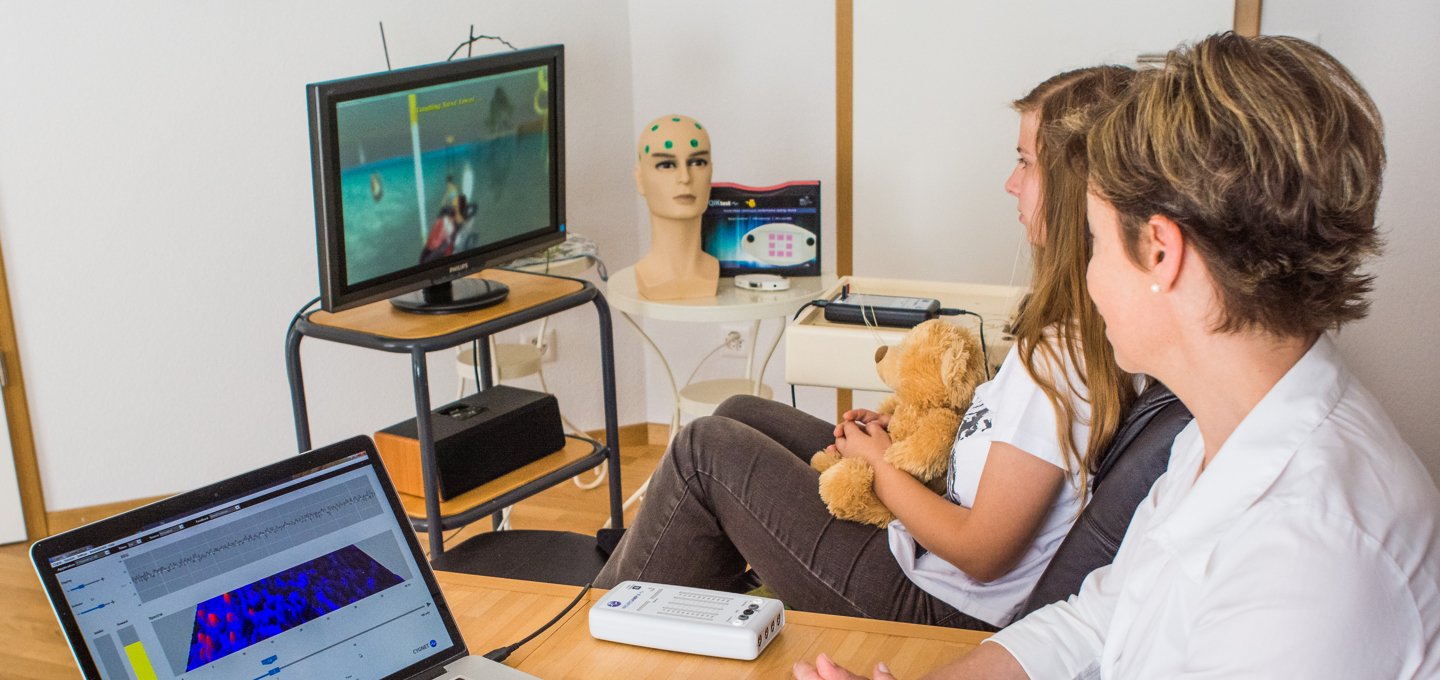
Supporting Emotional Regulation with Neurofeedback
When emotions feel overwhelming or hard to manage, the brain may need support. Neurofeedback trains the brain to self-regulate, helping improve mood stability, reduce anxiety, and build resilience to stress. This gentle, drug-free method strengthens emotional control from the inside out—for calmer days and stronger relationships.

Can Neurofeedback Improve Sleep and Insomnia?
Struggling with insomnia or restless nights? Neurofeedback helps the brain shift into calmer, more balanced states that support falling and staying asleep. It's a drug-free, non-invasive way to retrain your brain for deeper rest and better mornings—without the side effects of sleep aids.

The Link Between Gut Health and Brain Health
Did you know your gut and brain constantly communicate? This gut-brain connection plays a major role in mood, focus, and mental clarity. By supporting gut health through diet, stress reduction, and tools like neurofeedback, you can boost your brain’s performance and emotional resilience from the inside out.
Understanding Theta Waves: The Brain’s Gateway to Creativity and Inner Calm
Theta brainwaves are linked to deep relaxation, creativity, and emotional healing. When balanced, they help you feel calm, focused, and inspired. Learn how activities like meditation, visualization, and neurofeedback can naturally boost your brain’s theta activity for better clarity, mood, and mental well-being.

Understanding Beta Waves: The Brain’s State of Alertness and Focus
Beta waves are fast brainwaves linked to focus, alertness, and productivity. This guide explains what beta waves are, why they matter, and how to balance them for better mental performance, reduced anxiety, and improved motivation using daily habits and brain training like neurofeedback.

Back to School: How Neurofeedback Helps Students Thrive
Back-to-school transitions can be exciting yet stressful for students. Neurofeedback offers a natural, drug-free way to help kids focus, manage anxiety, and adapt to new routines. By strengthening the brain’s ability to stay calm and attentive, students enter the school year confident and ready to thrive.

Understanding Alpha Waves: The Brain’s Calm and Focused State
Alpha waves are your brain’s calm and focused rhythm, essential for relaxation, creativity, and emotional balance. This guide explains what alpha waves are, why they matter, and how to boost them naturally through mindfulness, rest, music, and neurofeedback for a healthier, more focused mind.

Understanding Delta Waves: The Brain’s Deep Sleep and Healing State
Delta waves are the brain’s slowest and most restorative brainwaves, essential for deep sleep, healing, and mental clarity. This article explores what delta waves are, why they matter, and how to support healthy brain function through lifestyle changes and neurofeedback.

What Is Neurofeedback? A Beginner’s Guide
Neurofeedback is a gentle, drug-free brain training method that teaches your mind to work at its best. Using real-time feedback, it helps improve focus, calmness, sleep, and resilience—making it a powerful tool for both wellness and performance.