
Supporting Emotional Regulation with Neurofeedback
Everyone experiences ups and downs, but for some people emotions feel overwhelming, unpredictable, or hard to control. Emotional regulation is the ability to manage feelings in a healthy, balanced way. When this skill is disrupted, it can affect relationships, decision-making, and overall well-being. Neurofeedback is a powerful tool that helps the brain develop the stability needed to better manage emotions
Why Emotional Regulation Matters
Emotions aren’t just feelings; they are tied to brain activity. When brainwave patterns are balanced, it’s easier to stay calm under pressure, recover from stress, and respond thoughtfully instead of reacting impulsively. When patterns are imbalanced, people may experience mood swings, irritability, anxiety, or difficulty calming down after stress.
How Neurofeedback Supports the Brain
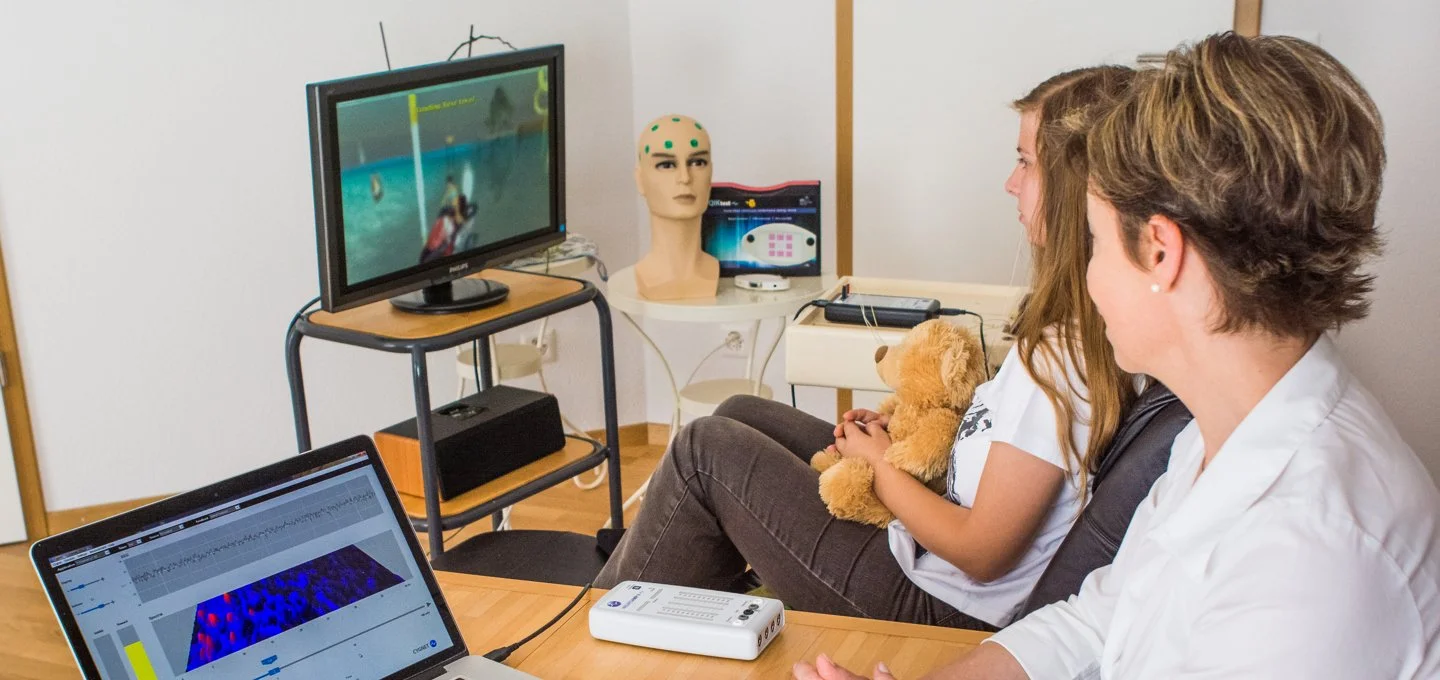
During a 30-minute neurofeedback session, sensors measure brainwave activity while the client relaxes and watches a TV show. The system provides real-time feedback when the brain shifts toward healthier patterns. Over time, this helps the brain practice and strengthen its ability to stay regulated.
Benefits for Emotional Health
Research and client experiences show that neurofeedback can:
Reduce anxiety and feelings of overwhelm
Improve mood stability
Strengthen resilience to stress
Enhance focus and decision-making during emotional situations
Support healthier relationships through better communication and control.
A Natural and Lasting Approach
Unlike quick fixes or temporary coping strategies, neurofeedback helps the brain learn to regulate itself. This makes the improvements more sustainable over time. By building balance from within, clients often find they can manage life’s challenges with greater ease and confidence.
The Bottom Line
Emotional regulation is key to living with balance and resilience. Neurofeedback gives the brain the training it needs to handle emotions more effectively, leading to calmer days, steadier moods, and stronger connections with others.

About the Author
“Katie Lent is a brain health coach and neurofeedback practitioner who blends neuroscience, behavior, and holistic wellness. As the owner of Brain Train Centers St. Pete, she is passionate about helping clients optimize brain function, regulate their nervous systems, and unlock their full potential.”
