
How Exercise Improves Brainwaves and Focus
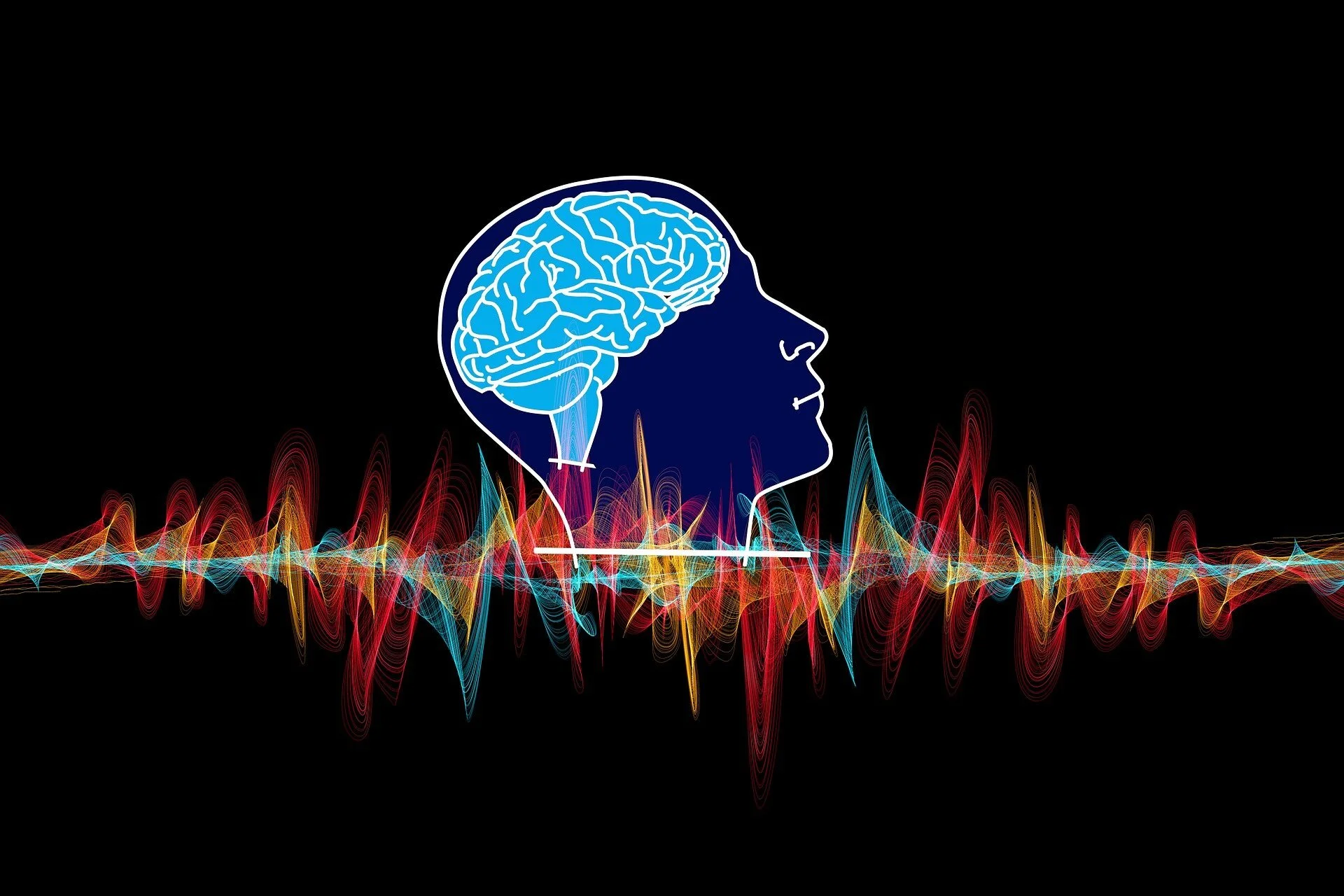
We all know that exercise is good for the body, but did you know it’s also one of the best things you can do for your brain? Movement doesn’t just build muscles and endurance, it also shapes the patterns of your brainwaves, which play a key role in focus, mood, and mental clarity
What Are Brainwaves?
Your brain communicates using electrical activity called brainwaves. Different brainwave patterns are linked to different states of mind:
Delta waves support deep sleep and restoration.
Theta waves are tied to relaxation, creativity, and daydreaming.
Alpha waves promote calm focus and balance.
Beta waves are connected to alertness, concentration, and problem-solving.
For peak performance, your brain needs flexibility to shift between these states depending on the situation.
How Exercise Impacts Brainwaves
When you exercise, your brain responds in powerful ways:
Boosts alpha waves: Physical activity promotes calm focus, reducing stress and anxiety
Enhances beta waves: Exercise sharpens attention and concentration, making it easier to stay on task.
Improves brain flexibility: Moving your body helps the brain switch smoothly between brainwave states, which supports resilience and adaptability.
Supports neuroplasticity: Exercise increases growth factors that strengthen connections between brain cells, making it easier to learn and focus.
Why Exercise Improves Focus
Exercise increases blood flow and oxygen to the brain, fueling the areas responsible for attention, memory, and decision-making. It also lowers stress hormones like cortisol, which can interfere with focus. After exercise, many people report feeling more alert, calm, and able to concentrate on tasks.
Simple Ways to Get Started
You don’t need to spend hours in the gym to get brain benefits. Try:
A 20-minute brisk walk outside
Yoga or stretching to calm the nervous system
Dancing to your favorite music
Light strength training or bodyweight exercises
Short movement breaks throughout the day
The Bottom Line
Exercise is one of the most effective ways to balance brainwaves and improve focus. By moving your body regularly, you support a healthier, more flexible brain that is better able to handle stress, learn, and stay sharp. Pairing consistent exercise with tools like neurofeedback can take your brain health and focus to the next level.

About the Author
“Katie Lent is a brain health coach and neurofeedback practitioner who blends neuroscience, behavior, and holistic wellness. As the owner of Brain Train Centers St. Pete, she is passionate about helping clients optimize brain function, regulate their nervous systems, and unlock their full potential.”
