
What to Expect from a qEEG Brain Map
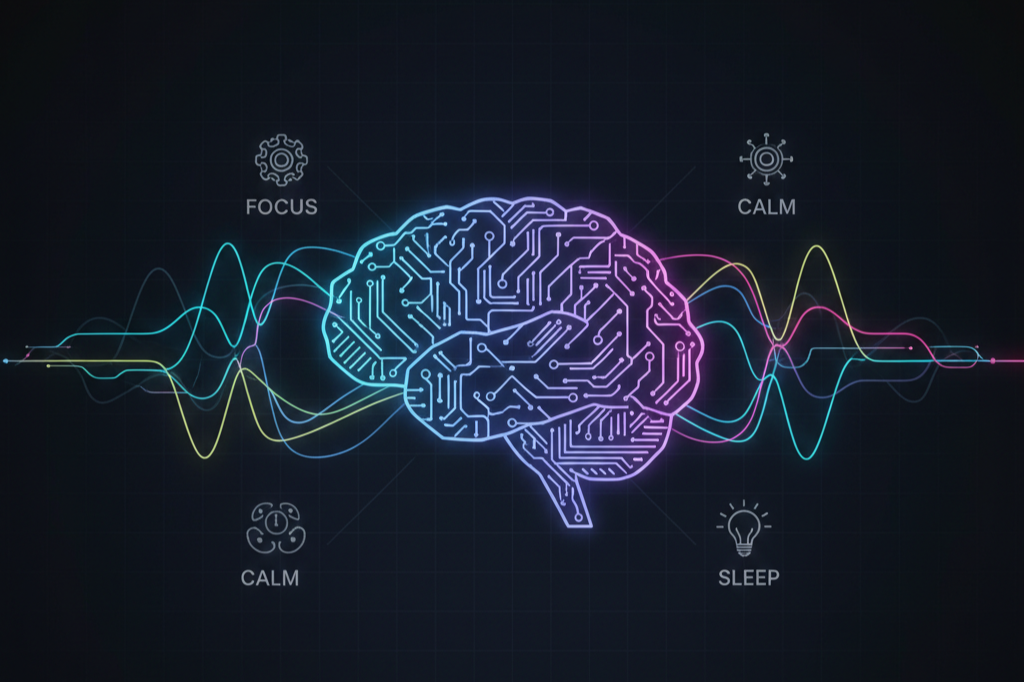
If you’re considering neurofeedback, the first step is often a qEEG brain map. Short
for quantitative electroencephalogram, this process gives providers a clear picture of
how your brain is functioning. Many people are curious about what actually happens
during a brain map, so here’s a simple guide to what you can expect.
STEP:1 Getting Set Up
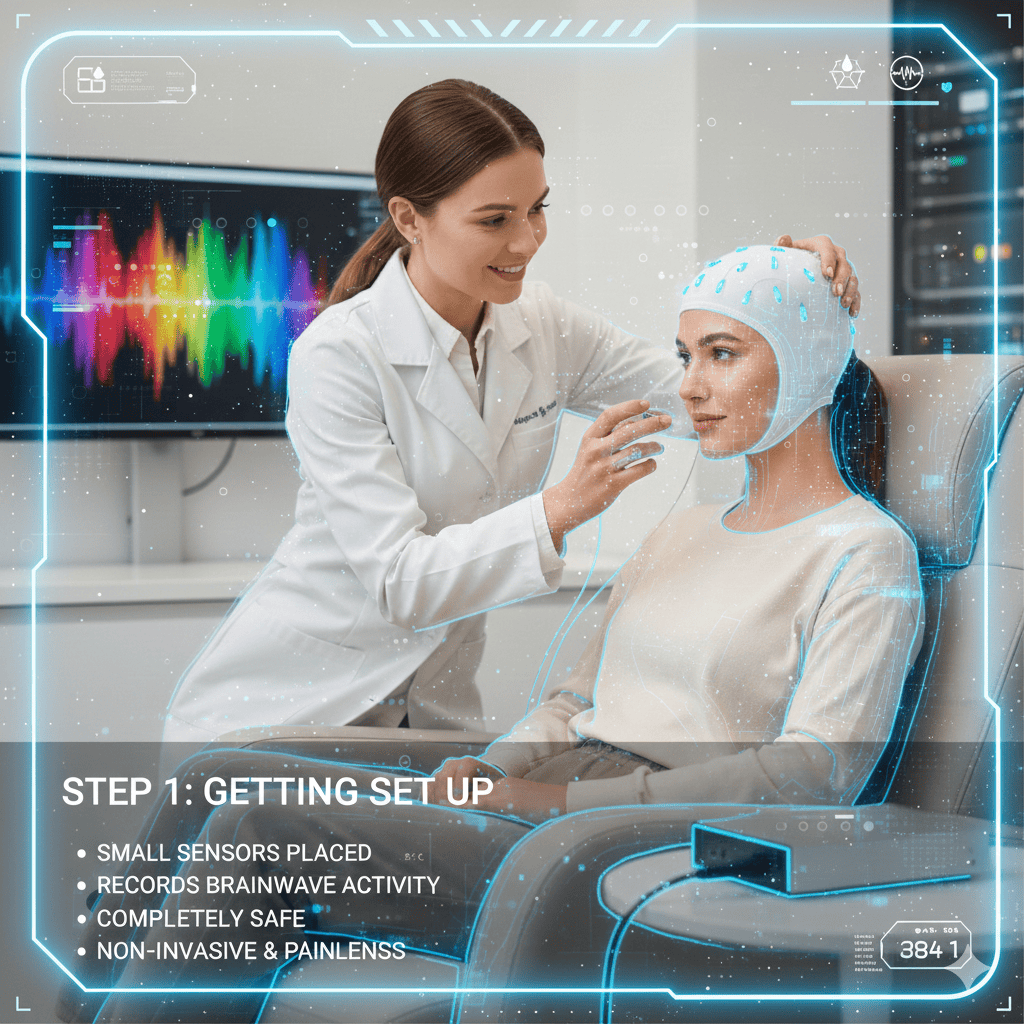
During your appointment, small sensors are placed on your scalp using a comfortable
cap or paste. These sensors simply record brainwave activity, they do not send
anything into your brain. The process is completely safe, non-invasive, and painless.
Step 2: Recording Brain Activity
You’ll be asked to sit quietly while your brain’s electrical activity is measured.
Typically, recordings are taken while your eyes are open, closed, and sometimes
while performing simple tasks. The whole process usually takes about 30 to 45
minutes.
Step 3: Analyzing the Results
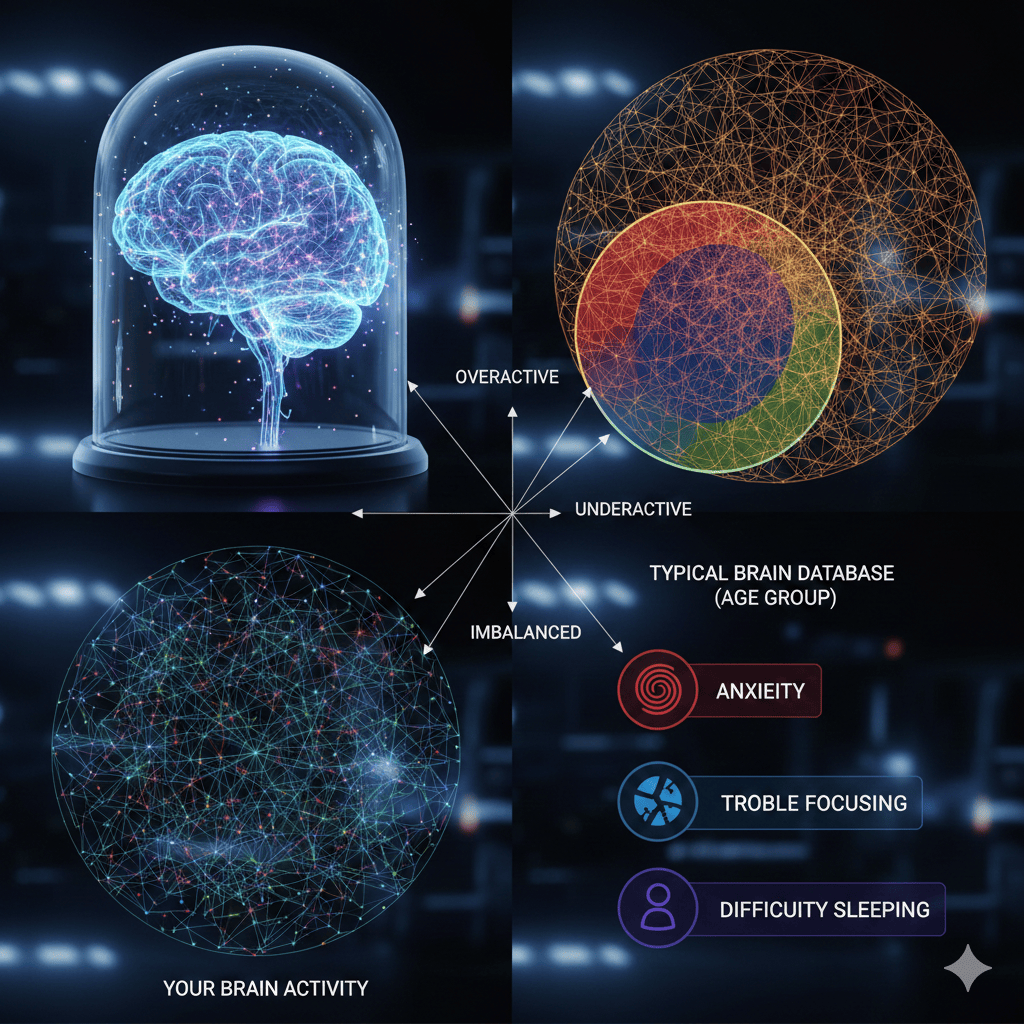
The data is compared to a large database of typical brain activity for your age group.
This helps highlight patterns that may be overactive, underactive, or not well
balanced.
For example, certain patterns may be linked to anxiety, trouble focusing, or
difficulty sleeping.
Step 4: Reviewing Your Brain Map
Your provider will review the results with you, explaining what the brain map shows in
simple terms. You’ll learn how your unique brain activity might be connected to the
symptoms or challenges you experience.
Step 5: Creating a Personalized Training Plan
The brain map then guides your neurofeedback program. Based on your results, your
provider will design a training plan that targets the areas of imbalance, helping your
brain shift into healthier patterns over time.
A qEEG brain map is the foundation of effective neurofeedback training. It’s a safe
and straightforward process that provides valuable insights into how your brain is
working and ensures your training plan is personalized to your needs. Think of it as
the blueprint for your brain’s journey to greater balance and wellness.

About the Author
“Katie Lent is a brain health coach and neurofeedback practitioner who blends neuroscience, behavior, and holistic wellness. As the owner of Brain Train Centers St. Pete, she is passionate about helping clients optimize brain function, regulate their nervous systems, and unlock their full potential.”
