

Brain Train Center Blog

Brain Health Articles & Resources
Welcome to the Brain Train Centers blog where we share information on the values and results of neurofeedback, the benefits of brain mapping and QEEGs, the process and purpose of brain training, and the solutions we can solve by including mindfulness and whole health integration that starts with the physical brain.
Below you will find blogs and articles shared by our Brain Train Centers Certified Brain Coaches. Feel encouraged to share with your friends and family to help them understand the values of brain and mental health
Understanding Trauma in Foster and Adopted Children: How Early Experiences Affect Emotional Development
How Early Experiences Affect Emotional Development and trauma in foster and adopted children shapes emotional development, and how neurofeedback can support healing and healthy brain regulation.
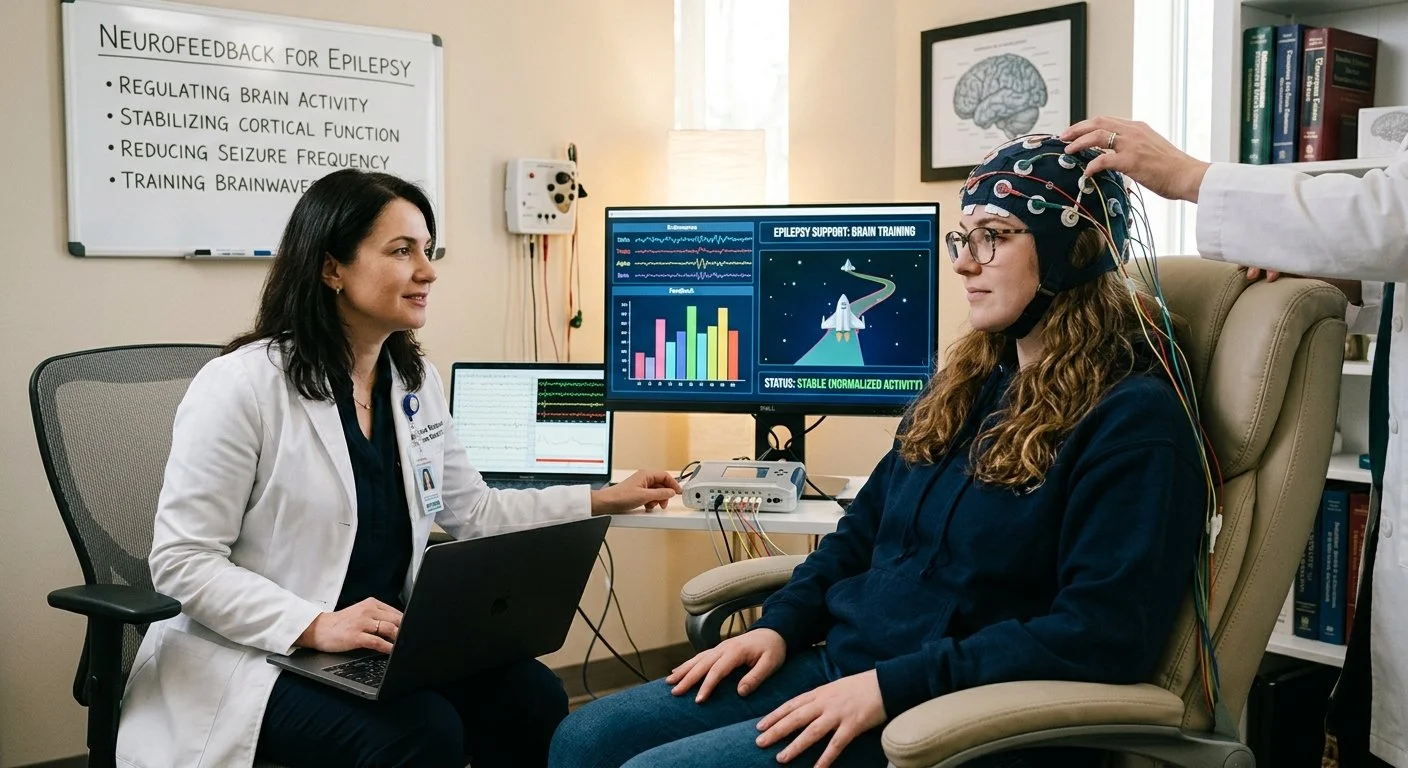
How Neurofeedback Supports People With Epilepsy
Learn how Neurofeedback for Epilepsy may support brain self-regulation, attention, sleep, cognitive function, and overall quality of life. Discover how neurofeedback can complement traditional epilepsy care while emphasizing the importance of medical supervision and prescribed treatment.
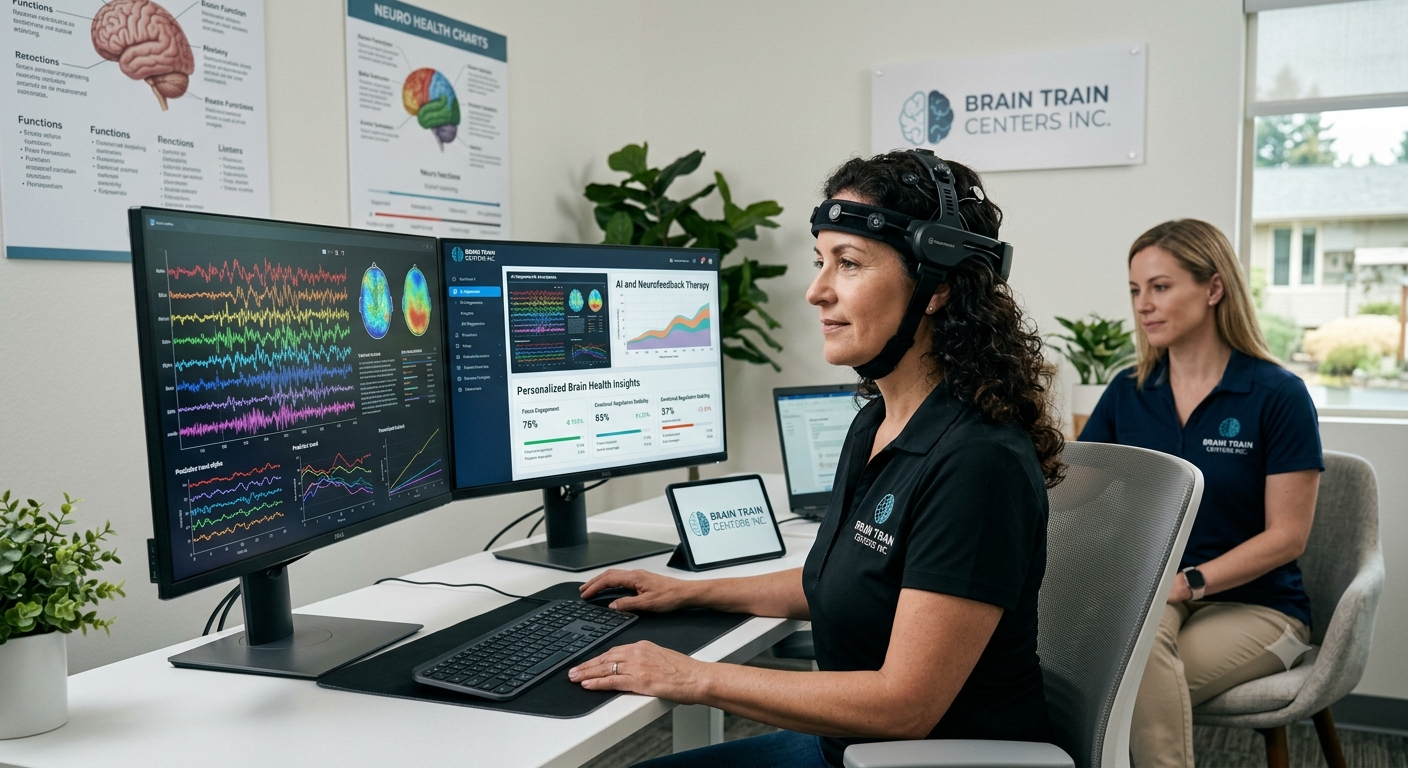
How AI and Neurofeedback Are Shaping the Future of Therapy
Discover how AI and Neurofeedback Therapy are transforming personalized brain training through advanced data analysis, real-time feedback, and individualized treatment. Learn how AI can support more precise progress tracking and help clinicians develop smarter, data-driven approaches to brain health.
How Neurofeedback Improves Decision Making Abilities
Explore how Decision Making Neurofeedback can support focus, mental clarity, emotional regulation, and cognitive flexibility. Learn how personalized neurofeedback training may help improve decision-making, manage stress, and enhance cognitive performance in everyday and professional life.

Screen Time and Brainwaves: How to Protect Your Mind
Excessive screen time can affect brainwaves, leading to reduced focus, increased stress, and poor sleep quality. Learn how healthy digital habits and neurofeedback can help regulate brain activity, improve cognitive performance, and support long term brain health for both adults and children.
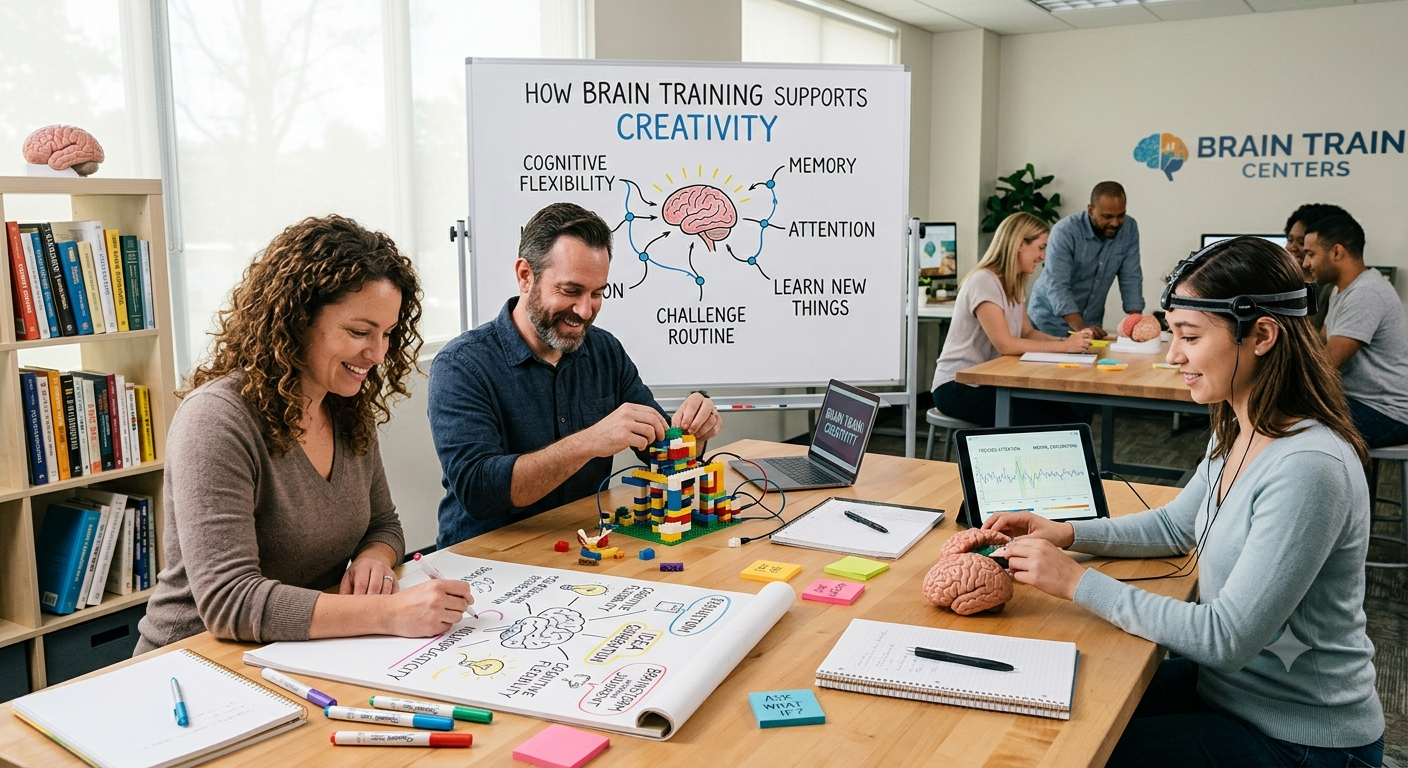
Training Your Brain for Better Creativity and Innovation:
Creativity is a skill that can be developed through intentional brain training and healthy habits. Learn how improving cognitive flexibility, memory, focus, and curiosity can enhance innovative thinking, problem-solving, and mental performance. Discover practical strategies to unlock your creative potential and support long-term brain health.
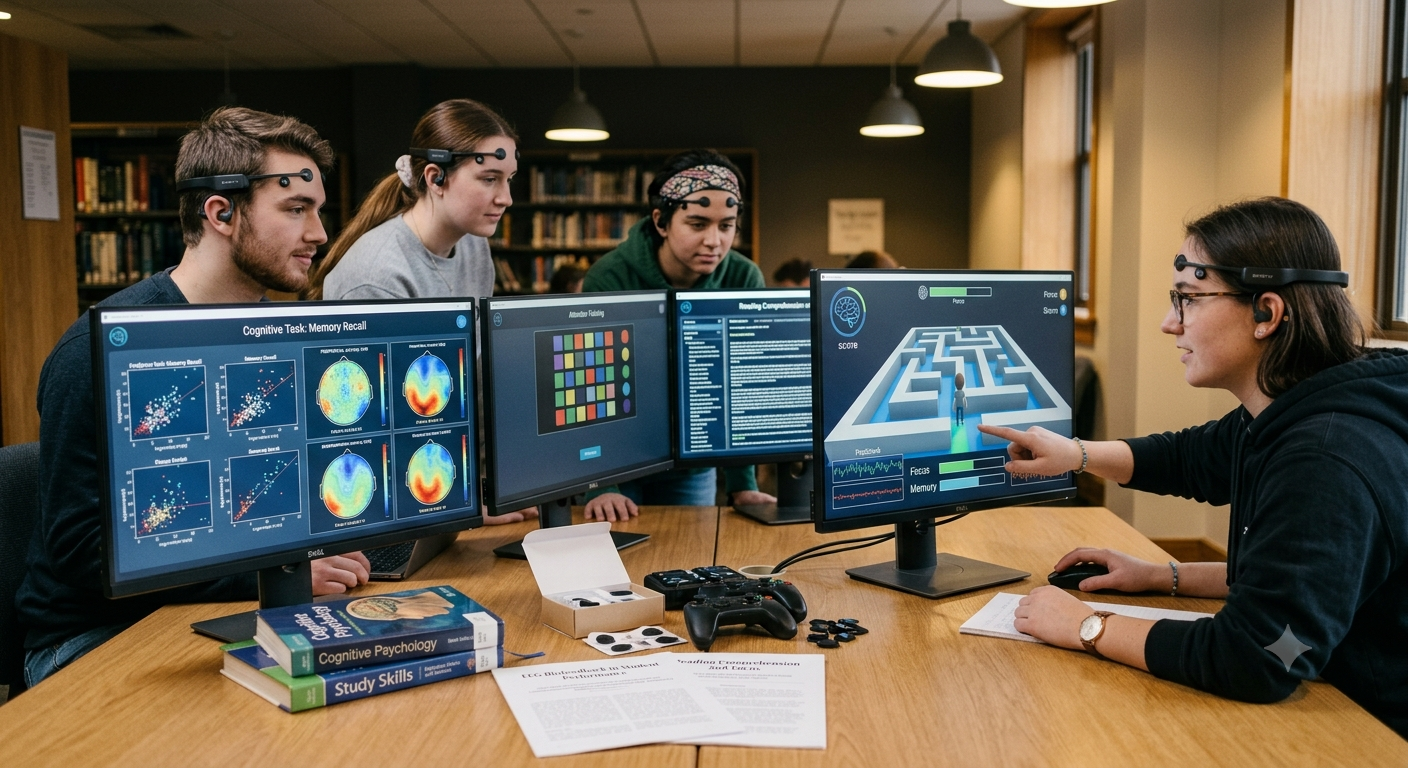
Neurofeedback for Students: Improving Focus, Memory, and Test Performance
Discover how neurofeedback for students may support better focus, memory, concentration, and test performance. Learn how this non-invasive brain training approach helps strengthen attention, emotional regulation, and cognitive function, giving students the tools they need to succeed academically and build lifelong learning skills.
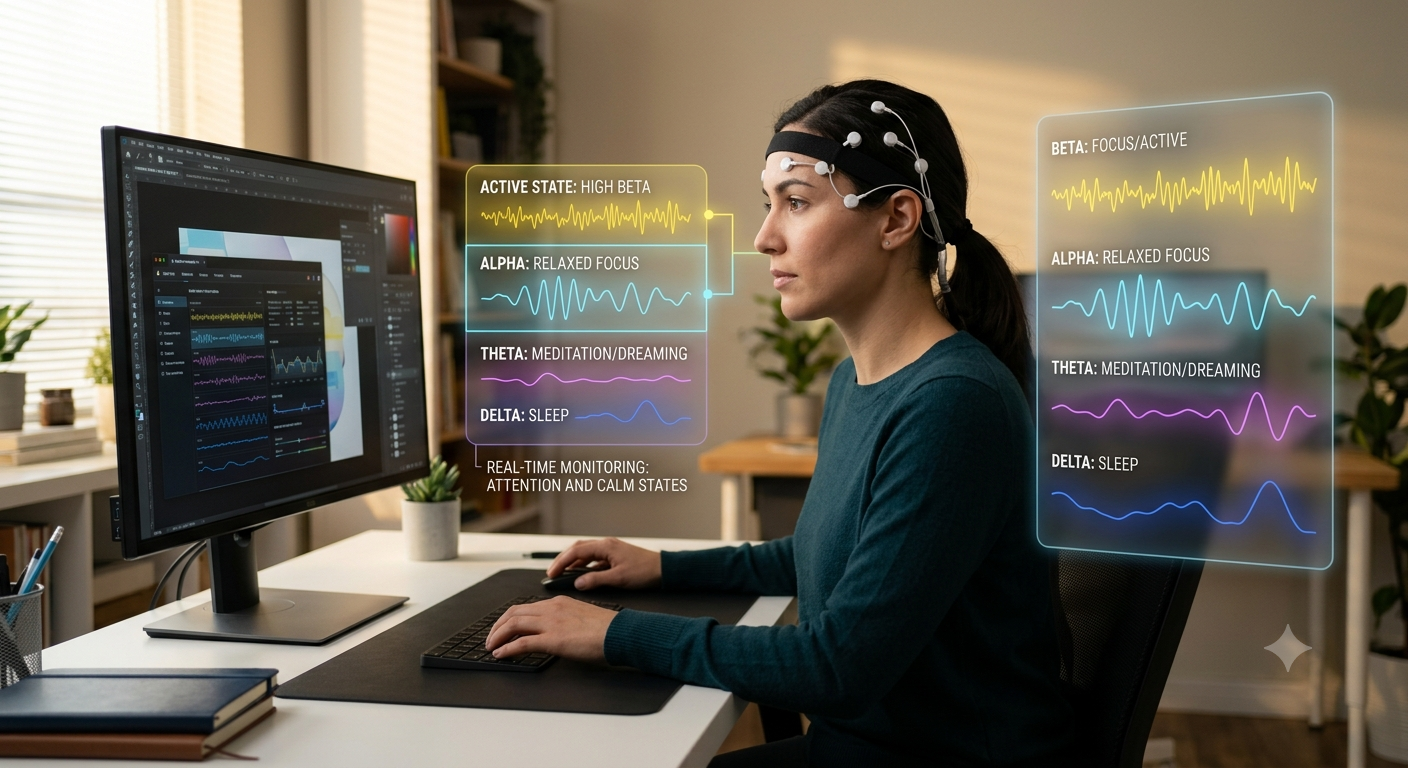
How Different Brainwave Frequencies Affect Mood and Focus:
Brainwave frequencies play an important role in how we think, feel, and focus throughout the day. From deep sleep and relaxation to concentration and learning, each type of brainwave contributes to emotional well-being and cognitive performance. Learn how brainwave frequencies affect mood and focus and explore ways to support healthier brain function.
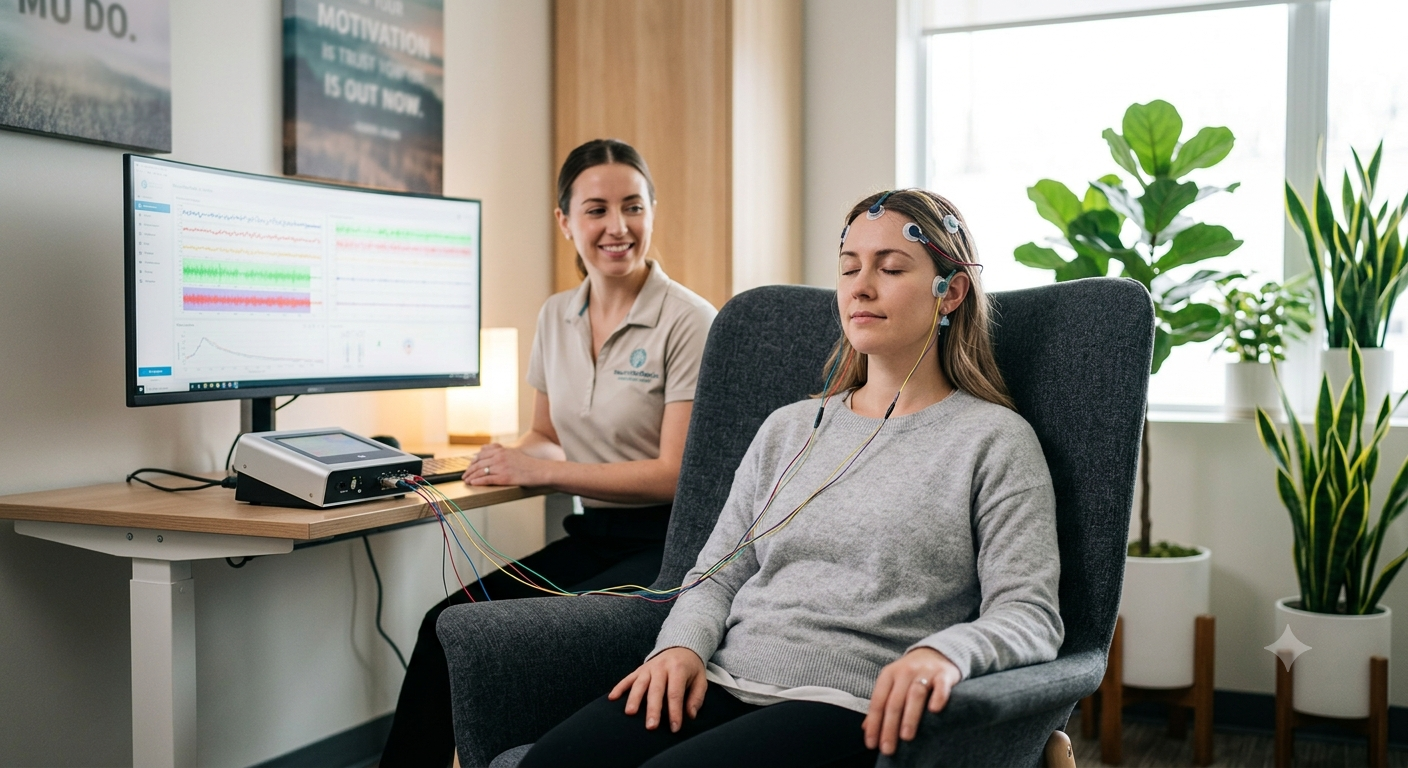
How Stress Impacts Brainwaves (and What to Do About It)
Stress affects more than just your mood it can change the way your brain functions. Chronic stress can disrupt healthy brainwave activity, making it harder to concentrate, remember information, sleep well, and regulate emotions. In this article, you'll learn how different brainwaves support cognitive function, how prolonged stress alters these patterns, and why this can lead to brain fog, anxiety, and mental fatigue

The Role of Hydration and Cognitive Performance: How Water Affects Brain Function
Hydration plays a vital role in brain function, influencing memory, concentration, mood, and mental performance. Learn how even mild dehydration can impact cognitive health and discover simple strategies to stay hydrated and support your brain every day.
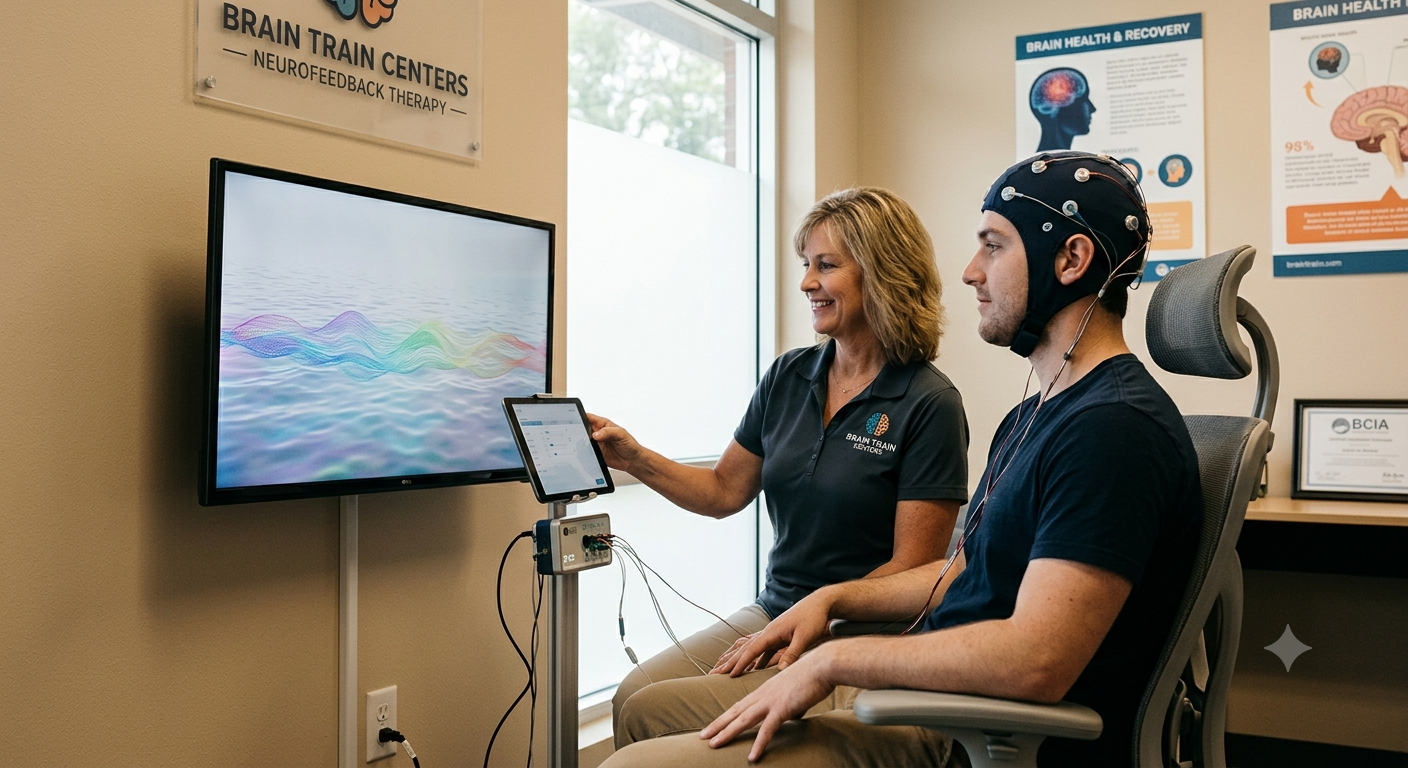
Concussion Treatment Near Me: How Neurofeedback Supports Long-Term Brain Recovery:
Recovering from a concussion can be challenging, especially when symptoms like headaches, brain fog, poor concentration, memory issues, and sleep disturbances persist. This blog explores how neurofeedback therapy provides a safe, drug-free approach to support long-term brain recovery by helping the brain regulate its activity naturally. Learn how qEEG brain mapping and personalized neurofeedback training can improve cognitive function, emotional balance, and overall quality of life. If you're searching for concussion treatment near me, discover why Brain Train Centers is trusted by individuals of all ages for effective post-concussion care.
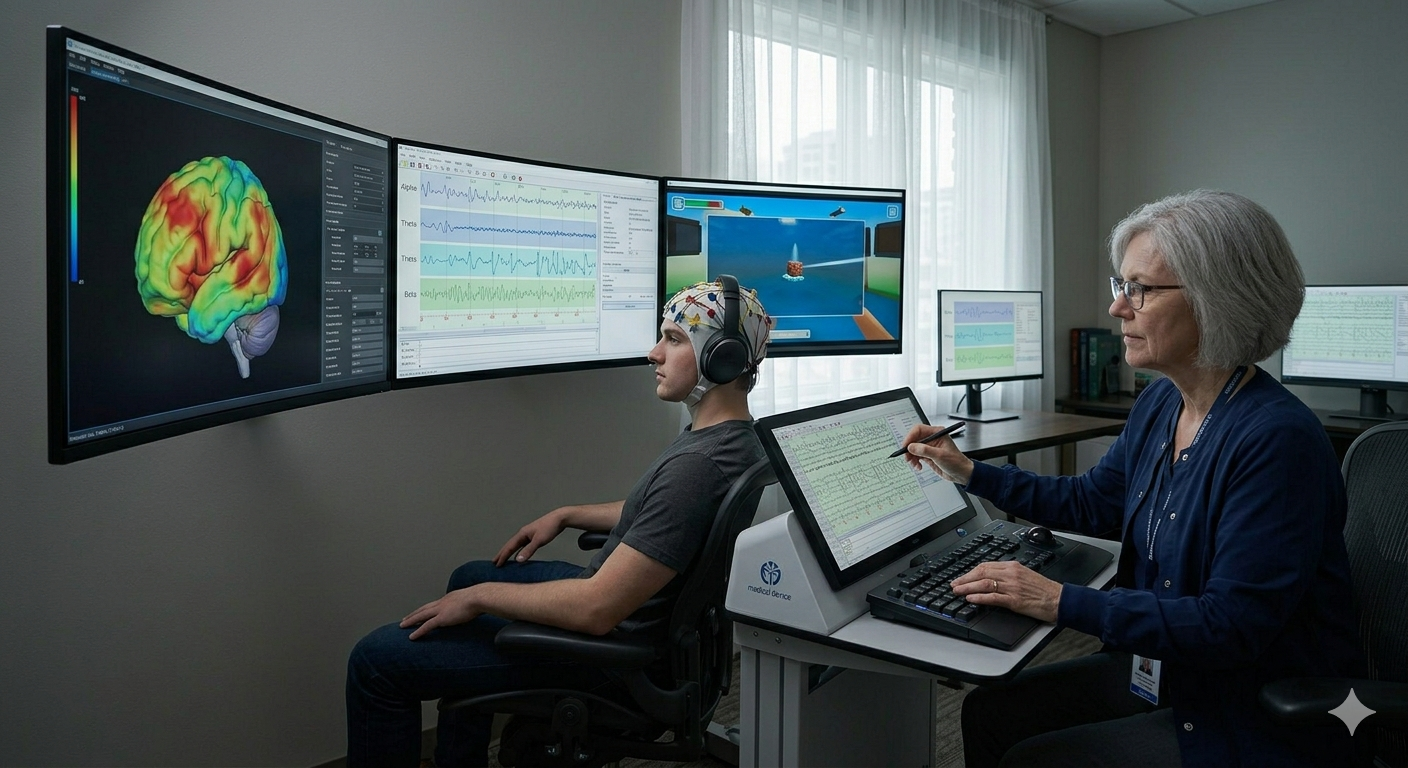
Neurofeedback for Ehlers-Danlos Syndrome (EDS): Supporting Nervous System Regulation
Ehlers-Danlos Syndrome (EDS) affects far more than joints and connective tissue. Many individuals experience anxiety, brain fog, sleep challenges, chronic fatigue, and nervous system dysregulation that impact daily life. In this article, we explore how neurofeedback may help support nervous system regulation, improve emotional resilience, enhance focus, and promote better overall well-being for individuals living with EDS

How Neurofeedback Supports Peak Performance in Athletes
Athletic success depends on more than physical training. Learn how neurofeedback helps athletes improve focus, reaction time, mental resilience, emotional control, and overall performance. Discover why more athletes are using brain training to gain a competitive edge and perform at their best under pressure.
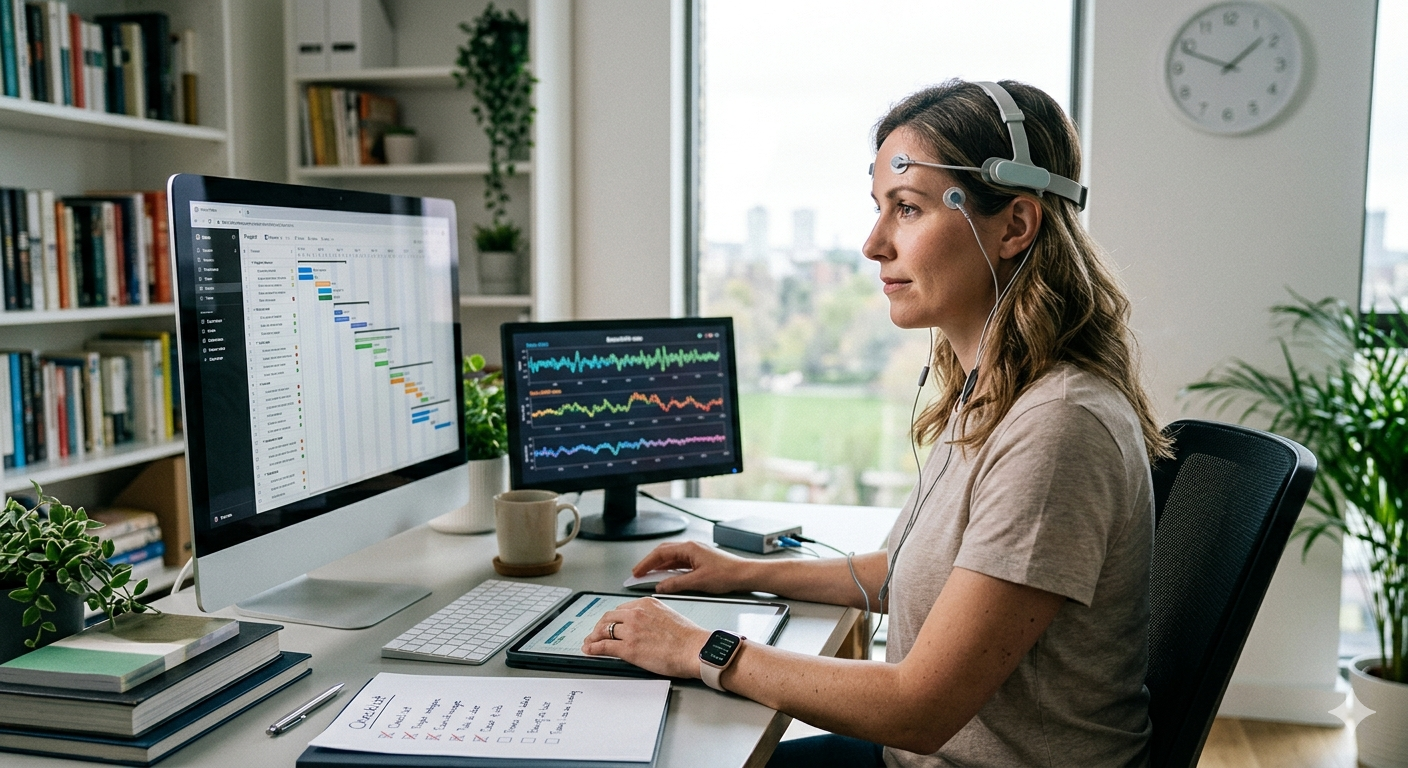
How Neurofeedback Helps with Productivity and Time Management
Struggling with focus, procrastination, or staying organized? Discover how neurofeedback can improve productivity by enhancing attention, executive functioning, mental clarity, and time management skills. Learn how brain training helps professionals, students, and entrepreneurs work more efficiently and achieve their goals
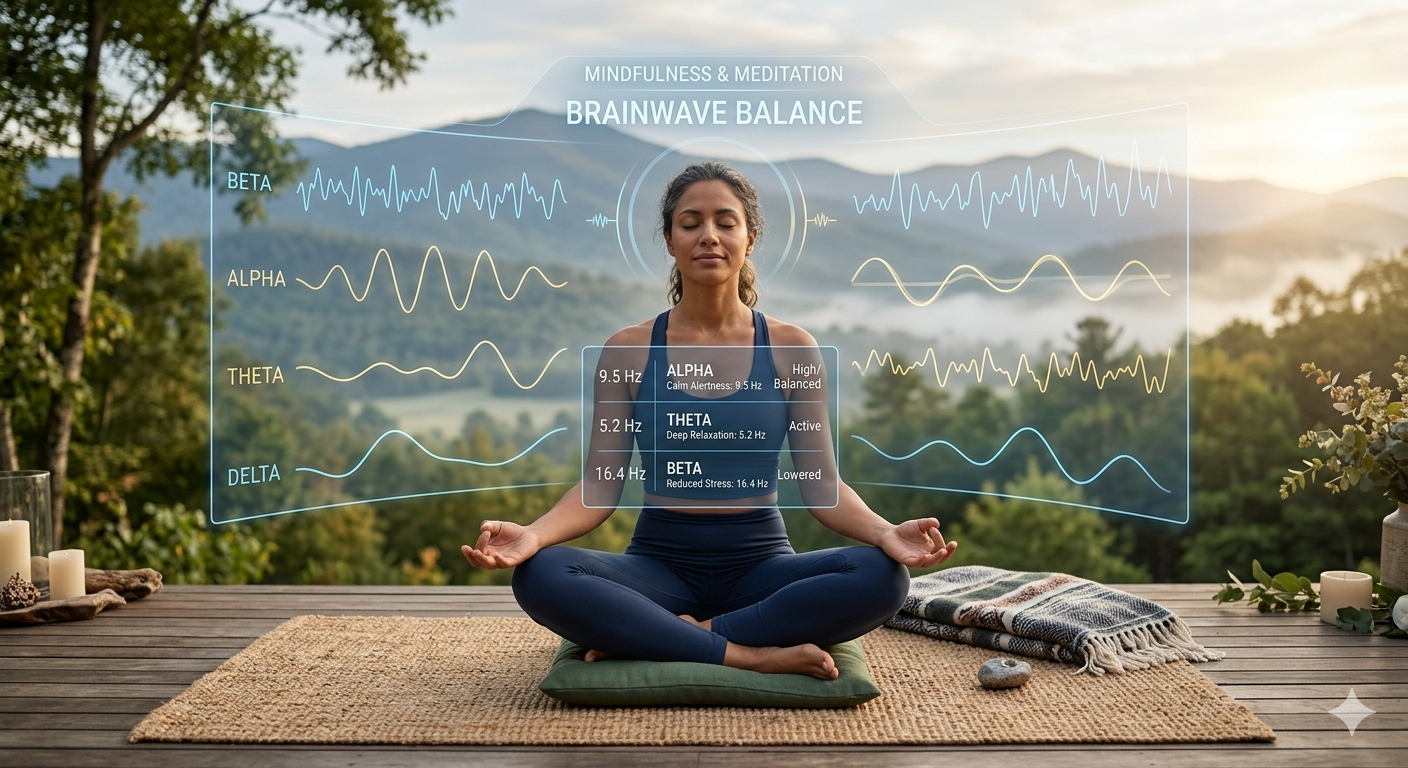
How Mindfulness and Meditation Improve Brainwave Balance
Discover how mindfulness and meditation for brainwave balance can support focus, reduce stress, improve mental clarity, and promote long-term brain health naturally.

The Connection Between Nutrition and Brain Function
Discover how nutrition and brain function work together to support focus, memory, mood, and mental clarity. Learn simple habits and healthy eating tips that can improve overall brain performance and long-term cognitive health.
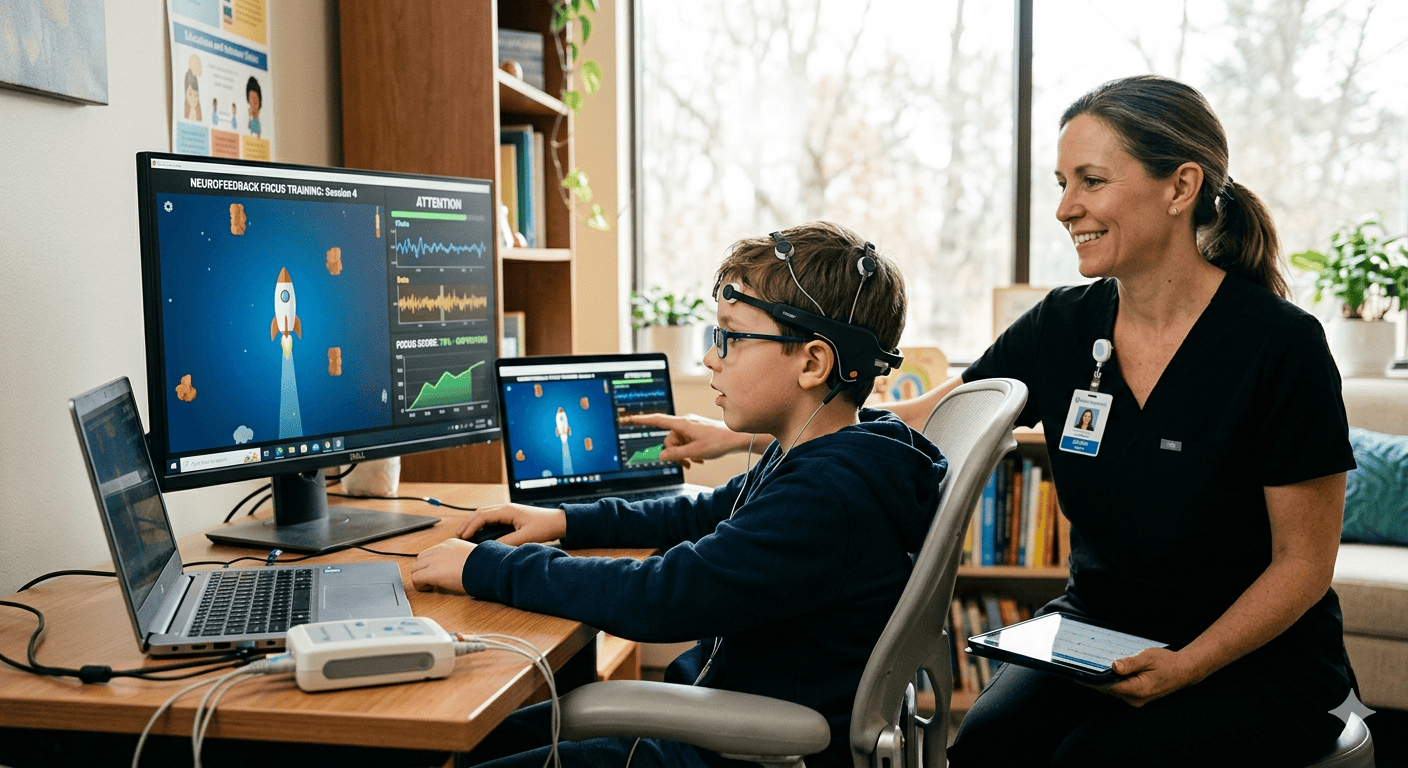
Using Neurofeedback to Improve Focus in ADHD
Learn how neurofeedback for ADHD focus may help improve attention, reduce distractions, and support better mental clarity naturally. Discover how this non-invasive brain training approach works for both children and adults with ADHD.
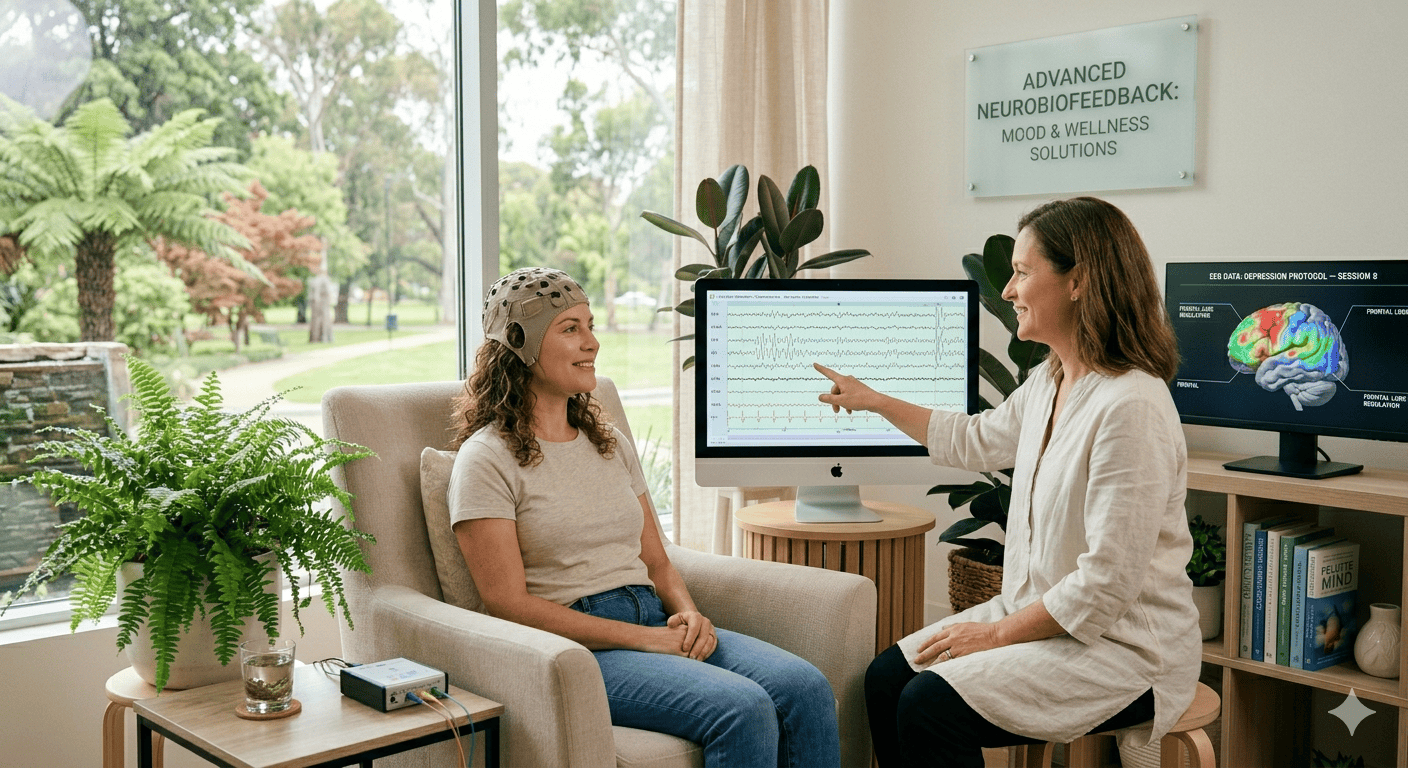
Neurofeedback for Depression: A Natural Option for Mood Support
Neurofeedback for depression is a natural, non-invasive approach that helps train the brain for better emotional balance. Discover how it works and how it can support long-term mood improvement.
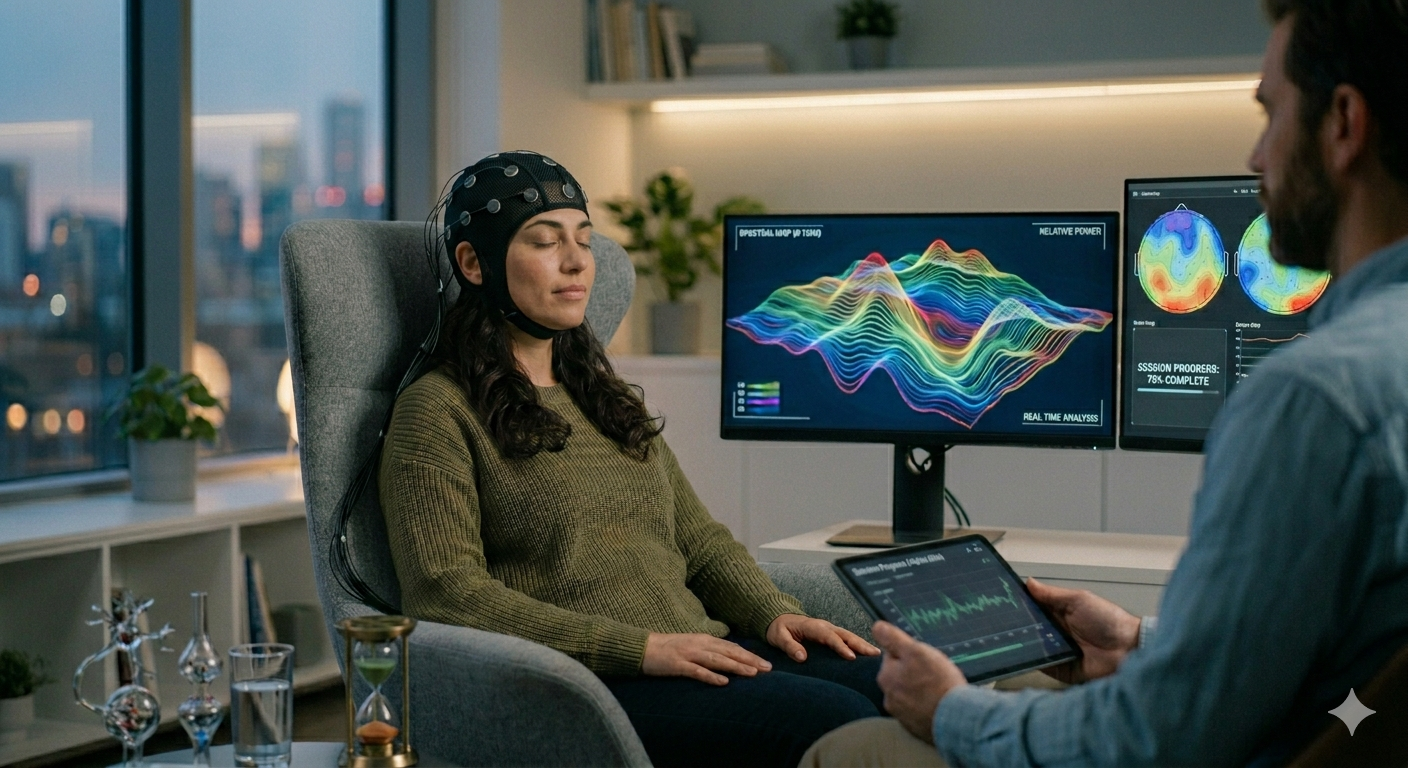
How Neurofeedback Helps with Anxiety
Struggling with anxiety can feel overwhelming, but it’s not just in your mind it’s in how your brain functions. Neurofeedback offers a natural, non-invasive way to retrain your brain for calmer, more balanced responses to stress.
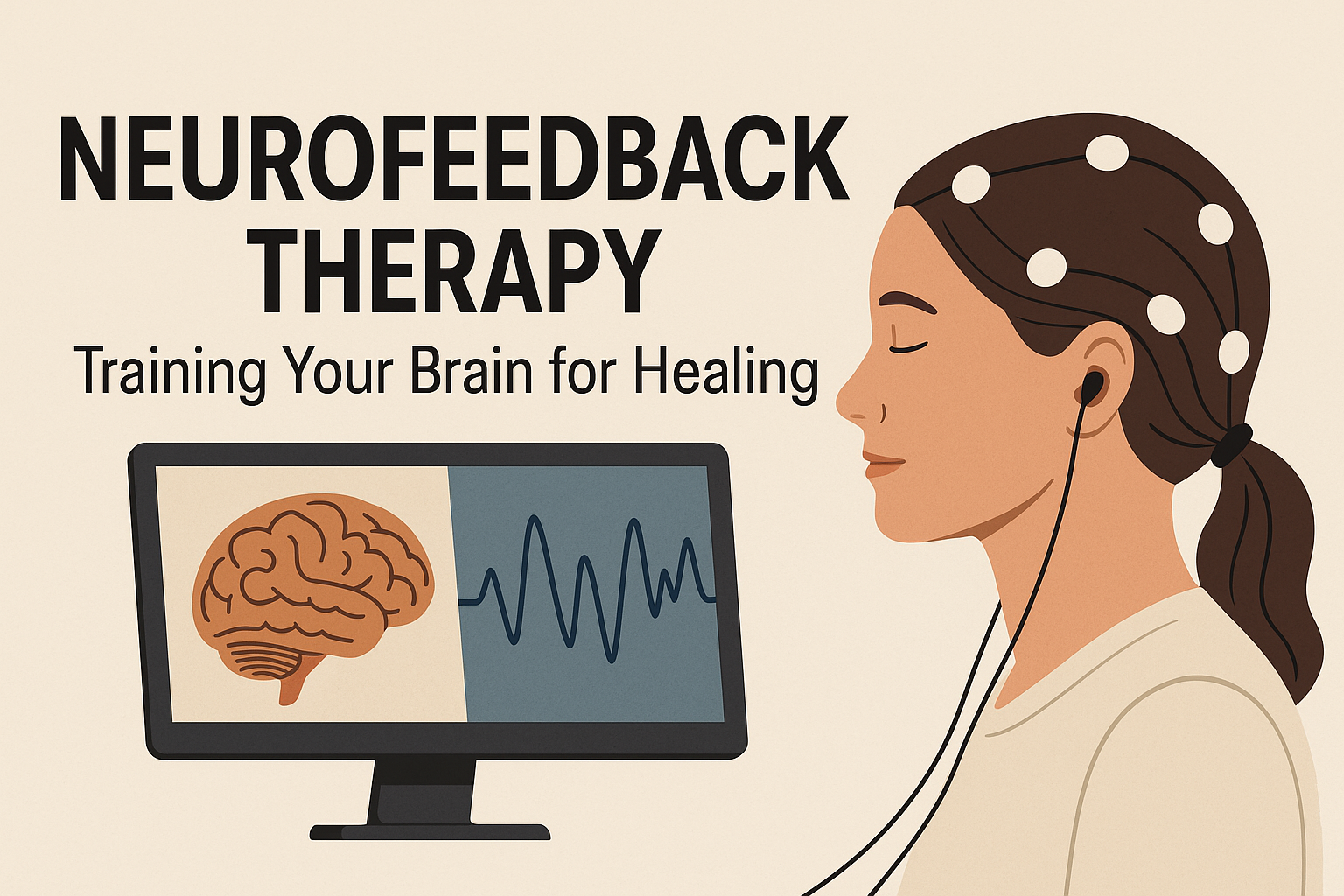
Who Can Benefit from Neurofeedback Therapy?
Neurofeedback therapy is transforming how we support brain health naturally. From improving focus and sleep to enhancing emotional balance and peak performance, discover who can benefit from this powerful brain-training approach.