
Understanding Trauma in Foster and Adopted Children: How Early Experiences Affect Emotional Development
Every child who enters foster care or joins a family through adoption carries a unique story. For many, that story includes early instability, loss, or neglect that shapes how their brain and nervous system develop. Understanding trauma in foster and adopted children is essential for parents, caregivers, and professionals who want to support these children as they grow into resilient, emotionally healthy adults.
At Brain Train Centers, we work with families navigating the effects of early adversity. Neurofeedback offers a natural, non-invasive way to support the nervous system as children work through the effects of trauma.
What Causes Trauma in Foster and Adopted Children?
Trauma in foster and adopted children can stem from a wide range of experiences before, during, or even after placement, including:
• Neglect or inconsistent caregiving in early infancy
• Exposure to substance use during pregnancy
• Multiple placements or disrupted attachments
• Witnessing domestic violence or experiencing abuse
• Separation from biological parents, siblings, or familiar environments
• Medical trauma from early hospitalizations or interventions
Because so much brain development happens in the first few years of life, even children who are placed with loving families at a young age may carry the effects of these early experiences well into later childhood and adulthood.
How Early Trauma Shapes the Developing Brain:
A child's brain develops through relationships. When early caregiving is inconsistent or frightening rather than safe and responsive, the nervous system adapts by staying on high alert. This is often described as a stress response that becomes the brain's default setting rather than an occasional reaction.
This helps explain why trauma in foster and adopted children frequently shows up as:
• Difficulty regulating emotions, including intense reactions to seemingly small triggers
• Trouble with trust and attachment, even toward safe, loving caregivers
• Hypervigilance, or being constantly on alert for danger
• Sleep disturbances, including nightmares or difficulty settling at bedtime
• Attention and learning challenges, since a brain focused on survival has fewer resources for focus and memory
• Regression, or returning to earlier behaviors during times of stress
Recognizing the Signs in Daily Life:
Trauma doesn't always look like sadness or withdrawal. In foster and adopted children, it can appear as anger, defiance, clinginess, difficulty with transitions, or trouble in school. These behaviors are often the nervous system's way of expressing "I don't feel safe" rather than deliberate misbehavior. Recognizing this shift in perspective, from "what's wrong with this child" to "what happened to this child", is often the first step toward more effective, compassionate support.
Supporting Emotional Development in Foster and Adopted Children:
Children who have experienced trauma can and do heal, especially with consistent, informed support. Helpful strategies include:
1. Building predictability through consistent routines, which help the nervous system learn that the environment is safe.
2. Responding with connection before correction, addressing the underlying need behind a behavior before addressing the behavior itself.
3. Educating caregivers on trauma-informed parenting approaches so reactions are met with patience rather than punishment.
4. Seeking trauma-informed professional support, including therapists who specialize in attachment and early childhood trauma.
5. Supporting the nervous system directly through approaches like neurofeedback, which can complement talk therapy and parenting strategies.
How Neurofeedback Supports Healing
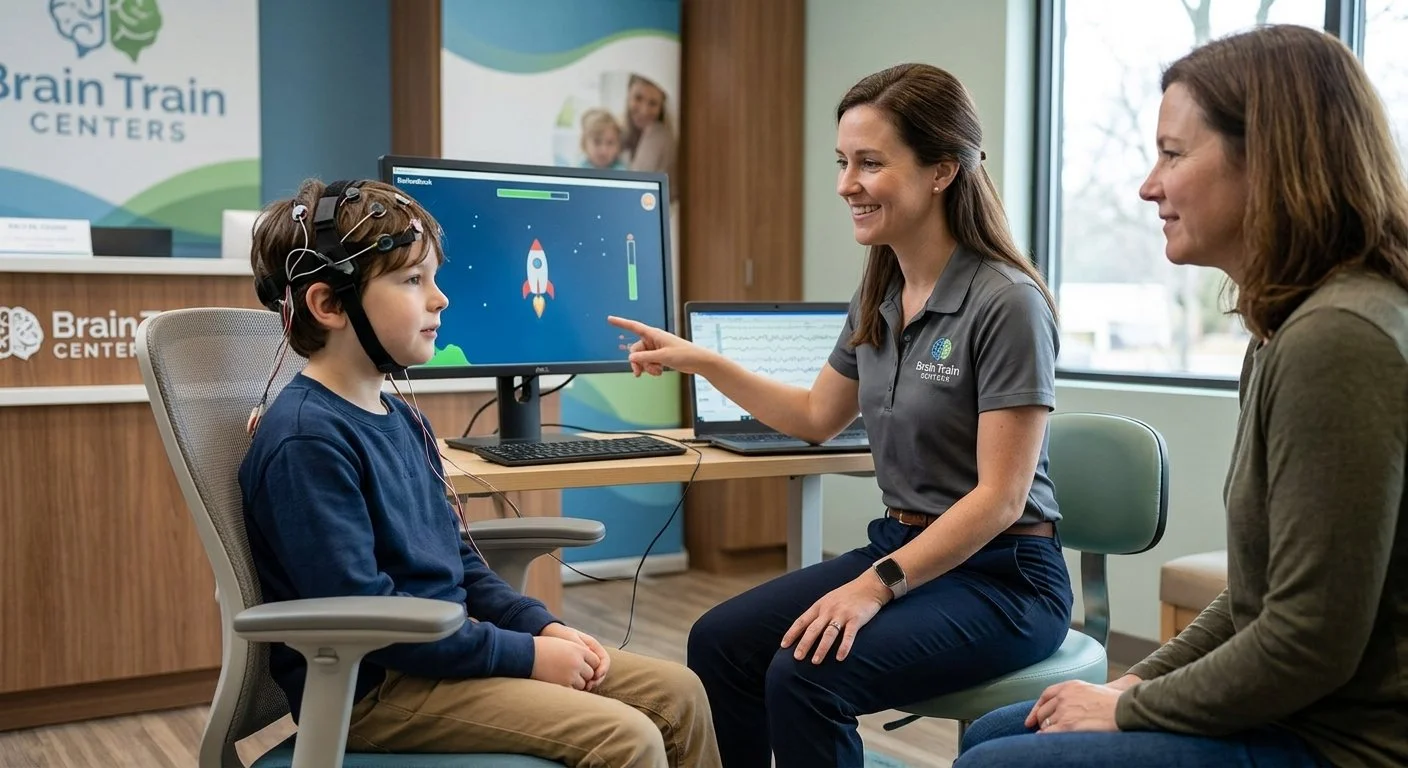
Neurofeedback is a research-supported, drug-free method that trains the brain to build healthier patterns of self-regulation. For children carrying the effects of early adversity, neurofeedback works by providing real-time feedback on brainwave activity, helping the brain shift out of a chronic stress response and toward calmer, more regulated functioning.
Because it doesn't require a child to talk about difficult memories, neurofeedback can be an accessible option for children who aren't ready or able to verbally process their experiences. Over time, many families notice improvements in emotional regulation, sleep, focus, and overall resilience, giving both children and caregivers a greater sense of stability.
Supporting the Caregivers, Too:
Parenting a child who has experienced early adversity can be exhausting, especially when love alone doesn't seem to calm big reactions or build trust as quickly as hoped. Foster and adoptive parents often carry their own stress, grief, or uncertainty about how to respond in the moment. Caregivers benefit from support too, whether through respite care, parent coaching, or simply connecting with other foster and adoptive families who understand the day-to-day reality. A regulated, supported caregiver is far better equipped to help a dysregulated child find calm, which makes caregiver wellbeing an essential part of any child's healing process rather than a secondary concern.
Moving Forward Together:
Addressing trauma in foster and adopted children isn't about erasing the past; it's about helping a child's brain and body find a new sense of safety in the present. With patience, informed support, and tools like neurofeedback, children can build the emotional foundation they need to thrive.

About the Author
“Melissa Hergert is the Founder and CEO of Brain Train Centers and CoFounder of Brain Train Nation. She is Board Certified in Neurofeedback Therapy and Amen Clinic Brain Coach Certified.
She is dedicated to educating communities about the power of neurofeedback and how it can help the brain heal and overcome many mental health symptoms.”
