
How Aging Affects Mental Health: Understanding Emotional Well-Being at Every Stage of Life
Getting older brings wisdom, perspective, and often a stronger sense of who we are. But it also brings real changes to the brain and body that can shape how we feel day-to-day. Understanding how aging affects mental health is the first step toward protecting emotional well-being as we move through each new stage of life, whether that means navigating retirement, coping with loss, or simply adjusting to a slower pace.
At Brain Train Centers, we work with clients of every age who want to feel more balanced, focused, and emotionally resilient. Neurofeedback therapy offers a natural way to support the brain through these transitions, without relying on medication.
Why Aging Affects Mental Health:
The brain changes physically as we age. Neurotransmitter levels shift, blood flow can decrease, and certain regions responsible for memory and emotional regulation may become less efficient. These biological shifts are a major reason aging affects mental health so significantly, often showing up as increased anxiety, low mood, irritability, or difficulty coping with stress that once felt manageable.
Life circumstances compound these biological changes. Retirement can bring a loss of identity and daily structure. Adult children moving away, the death of a spouse or close friends, and reduced mobility can all lead to isolation. Combined, these factors show why the emotional shifts of later life go far beyond simple forgetfulness or "getting older."
Common Mental Health Challenges Later in Life:
Older adults face a distinct set of emotional challenges that differ from those experienced earlier in life:
• Depression and grief: Loss of loved ones, independence, or purpose can trigger persistent sadness that is sometimes mistaken for a normal part of aging rather than a treatable condition.
• Anxiety: Worries about health, finances, or safety can intensify, particularly after a fall, diagnosis, or hospitalization.
• Cognitive changes: Mild memory lapses or slower processing speed can cause frustration and fear, even when they don't indicate a serious condition.
• Sleep disruption: Older adults often experience lighter, more fragmented sleep, which in turn worsens mood and focus.
• Social isolation: Reduced mobility and the loss of a built-in social network, such as coworkers, can leave older adults feeling disconnected.
Recognizing these patterns early makes it easier to intervene before they significantly affect quality of life.
Supporting Emotional Well-Being at Every Stage of Life:
The good news is that the brain remains capable of change throughout life, a concept known as neuroplasticity. This is one of the most encouraging findings in modern brain science: aging affects mental health, but it does not have to determine it. With the right support, older adults can build new patterns of emotional regulation and resilience.
Some of the most effective strategies include:
1. Staying socially connected through community groups, family visits, or volunteer work.
2. Maintaining physical activity, even light movement like walking, which supports blood flow to the brain.
3. Prioritizing sleep hygiene, including consistent bedtimes and limiting screens before bed.
4. Engaging the brain with puzzles, reading, or learning a new skill.
5. Seeking professional support when sadness, anxiety, or memory concerns start to interfere with daily life.
How Neurofeedback Supports Healthy Aging:
Neurofeedback is a research-backed, non-invasive method that trains the brain to regulate its own electrical activity more efficiently. Because it is drug-free, it is an appealing option for older adults who may already be managing multiple medications.
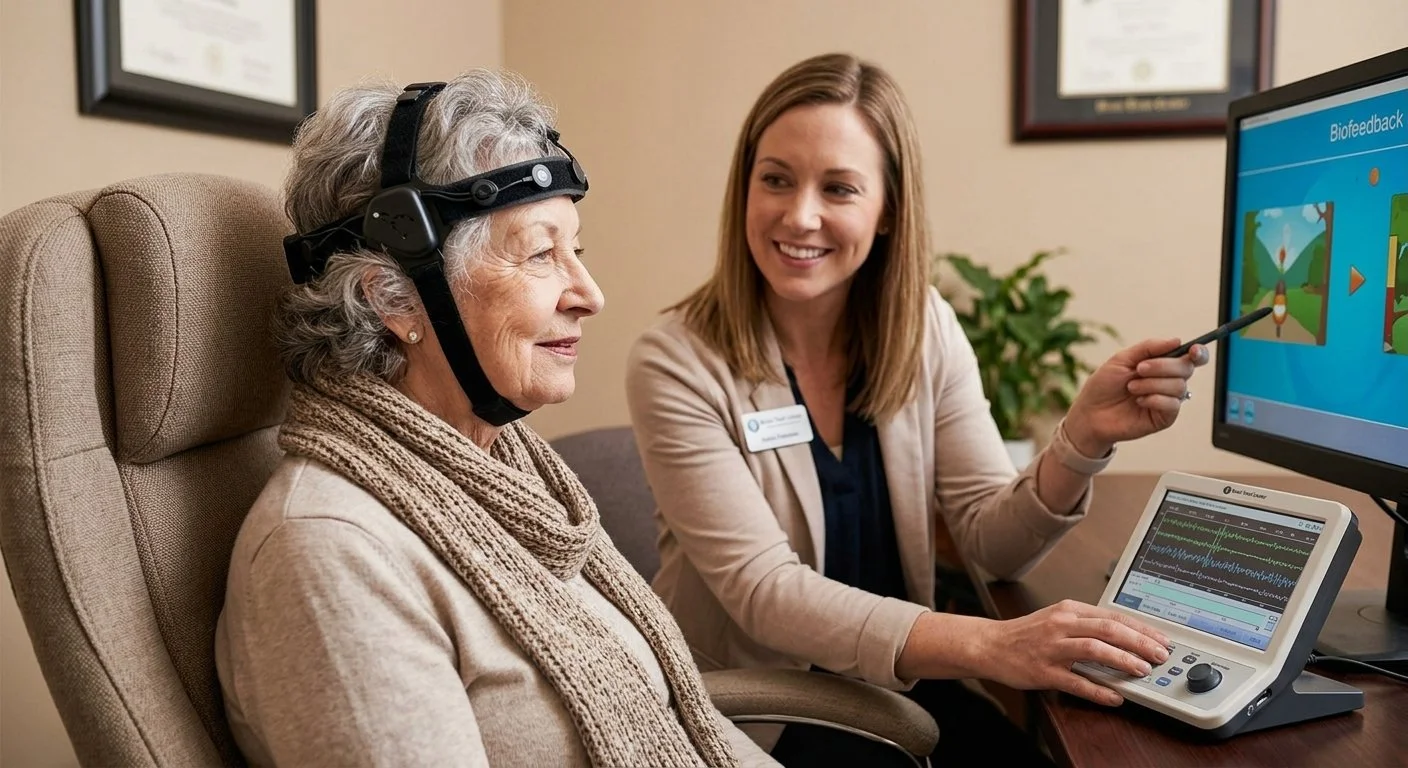
During a session, sensors monitor brainwave activity while a client watches a screen or listens to sound. The brain receives real-time feedback, gradually learning to shift out of patterns linked to anxiety, low mood, or poor focus and toward calmer, more balanced functioning. Over time, this training can help reduce the emotional toll of the very biological changes that make later life such an emotionally demanding stage for older adults and their families.
Because neurofeedback works with the brain's natural learning process, it can be a valuable complement to the lifestyle strategies above, supporting sharper focus, steadier mood, and better sleep without introducing new medications or side effects.
Taking the Next Step:
Whether you're supporting an aging parent or noticing changes in your own emotional health, understanding how aging affects mental health empowers you to take proactive steps. Brain Train Centers offers personalized neurofeedback assessments designed to meet you wherever you are in life's journey, helping you feel more like yourself again.

About the Author
“Melissa Hergert is the Founder and CEO of Brain Train Centers and CoFounder of Brain Train Nation. She is Board Certified in Neurofeedback Therapy and Amen Clinic Brain Coach Certified.
She is dedicated to educating communities about the power of neurofeedback and how it can help the brain heal and overcome many mental health symptoms.”
