
Living With Ehlers-Danlos Syndrome: Understanding the Physical and Emotional Impact

Ehlers-Danlos Syndrome is far more than a connective tissue disorder. For the many people living with EDS, daily life involves managing joint pain, fatigue, and unpredictable flare-ups while also carrying an emotional weight that often goes unrecognized. Understanding both sides of this condition, physical and emotional, is essential for finding real support.
At Brain Train Centers, we work with individuals whose chronic conditions place ongoing strain on the nervous system. Neurofeedback offers a natural, drug-free way to help the brain and body find greater balance.
What Is Ehlers-Danlos Syndrome?
Ehlers-Danlos Syndrome refers to a group of connective tissue disorders that affect collagen production, leading to joint hypermobility, skin fragility, and, in some types, complications involving blood vessels or organs. Because connective tissue exists throughout the body, living with EDS can mean managing symptoms across multiple systems at once, not just the joints.
Common physical symptoms include:
• Chronic joint pain and frequent dislocations or subluxations
• Skin that bruises or stretches easily
• Chronic fatigue that doesn't improve with rest
• Digestive issues and gastrointestinal discomfort
• Dizziness or a rapid heart rate upon standing, often linked to dysautonomia
The Physical Toll of Ehlers-Danlos Syndrome:
The unpredictability of symptoms is one of the hardest parts of living with EDS. A joint may dislocate during an ordinary task, or fatigue may strike without warning, making it difficult to plan work, school, or social activities. Many people also experience co-occurring conditions such as postural orthostatic tachycardia syndrome (POTS) or mast cell activation issues, which add further physical complexity.
This ongoing uncertainty keeps the nervous system in a heightened state, frequently shifting between pain response and fatigue. Over time, this can wear down the body's ability to self-regulate.
The Emotional Impact of Ehlers-Danlos Syndrome:
Because EDS is often invisible to others, many individuals also carry an emotional burden that's harder to see than a dislocated joint. Common emotional effects include:
• Anxiety — Living with an unpredictable body can create constant low-level worry about the next flare-up or injury.
• Depression — Chronic pain and fatigue, combined with activity limitations, are strongly linked to low mood over time.
• Brain fog — Many people describe difficulty concentrating, which can affect work and school performance.
• Grief — Adjusting to a changing relationship with one's own body, and the activities that may no longer be possible, is a real and valid loss.
• Feeling misunderstood — Because symptoms fluctuate and aren't always visible, friends, family, or even providers may underestimate the condition's impact.
Recognizing that living with EDS carries this emotional dimension is an important step toward more compassionate, complete care.
Nervous System Regulation and EDS:
Because EDS so often involves dysautonomia, the nervous system itself becomes part of the picture. Many individuals with EDS find that their body's stress response is easily triggered and slow to settle, which can intensify both physical symptoms and emotional distress. Supporting the nervous system's ability to regulate itself is a meaningful piece of the overall management plan, alongside physical therapy, pain management, and medical care from a knowledgeable provider.
How Neurofeedback May Help:
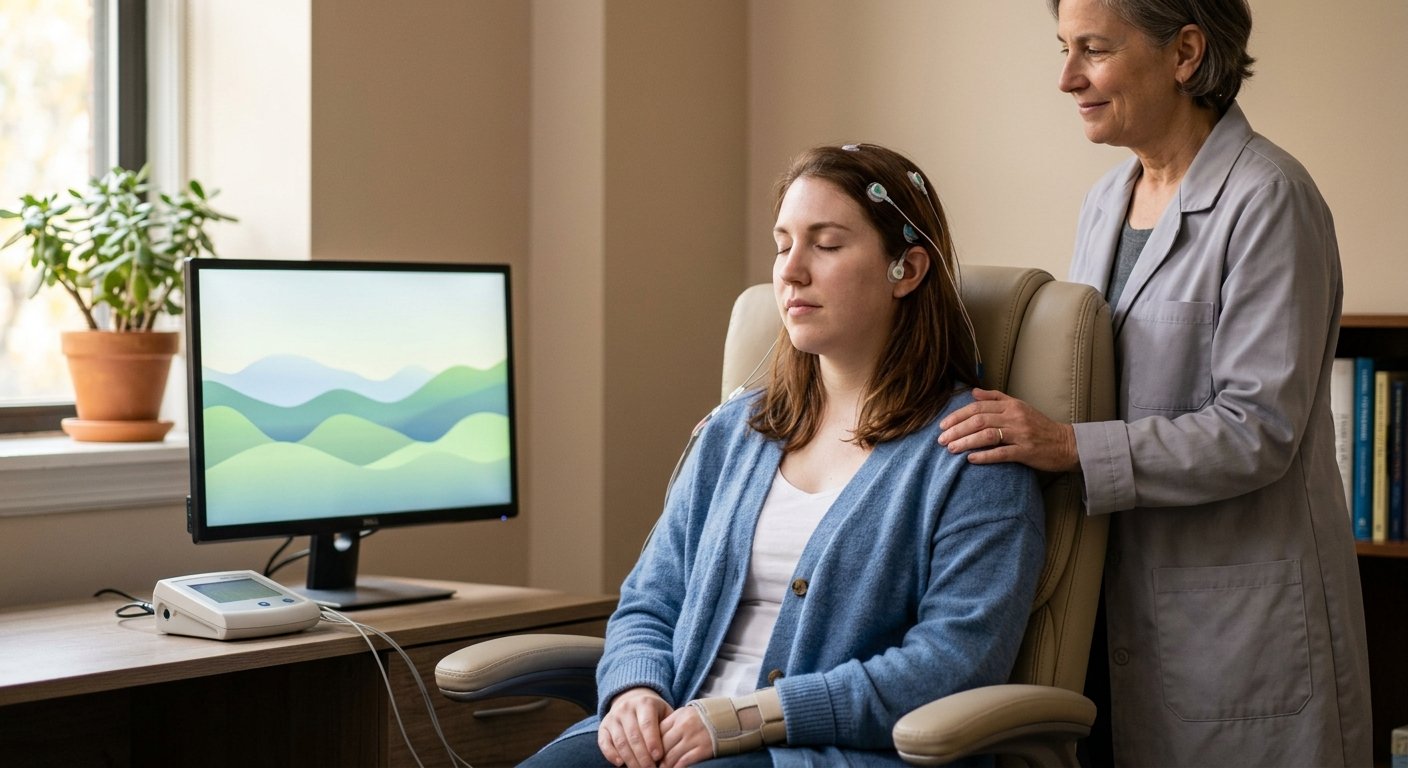
Neurofeedback is a non-invasive brain training method that uses real-time feedback on brainwave activity to help the brain build healthier, more balanced patterns. For those living with EDS, neurofeedback does not treat the underlying connective tissue disorder, but it may support:
• Improved nervous system regulation and stress response
• Reduced anxiety and a greater sense of calm
• Better focus and reduced brain fog
• More restorative sleep, which supports overall resilience
Because neurofeedback is drug-free and works with the brain's own learning ability, it can be a gentle complementary option for individuals already managing multiple medications or therapies for EDS.
Everyday Strategies That Can Help:
Alongside medical and nervous system support, small daily habits can make flare-ups more manageable and support steadier emotional health:
• Pacing activities to avoid overexertion, and building in rest before fatigue becomes overwhelming
• Gentle, joint-friendly movement, such as swimming or physical therapy exercises, to maintain strength without added strain
• Consistent sleep routines, since restorative sleep plays a major role in both pain tolerance and mood
• Journaling or tracking symptoms, which can help identify patterns and triggers over time
• Practicing self-compassion, recognizing that good and bad days are part of managing a chronic condition, not a personal failing
These strategies won't eliminate symptoms, but they can reduce the overall strain on the nervous system and support a more stable emotional baseline day to day.
Building a Support System:
Living with EDS often means building a team: a knowledgeable physician, physical therapist, mental health professional, and additional supports like neurofeedback that address the nervous system directly. Connecting with others who understand the condition, whether through support groups or online communities, can also reduce the isolation that so often accompanies chronic illness.

About the Author
“Melissa Hergert is the Founder and CEO of Brain Train Centers and CoFounder of Brain Train Nation. She is Board Certified in Neurofeedback Therapy and Amen Clinic Brain Coach Certified.
She is dedicated to educating communities about the power of neurofeedback and how it can help the brain heal and overcome many mental health symptoms.”
