
How Neurofeedback Supports People With Epilepsy
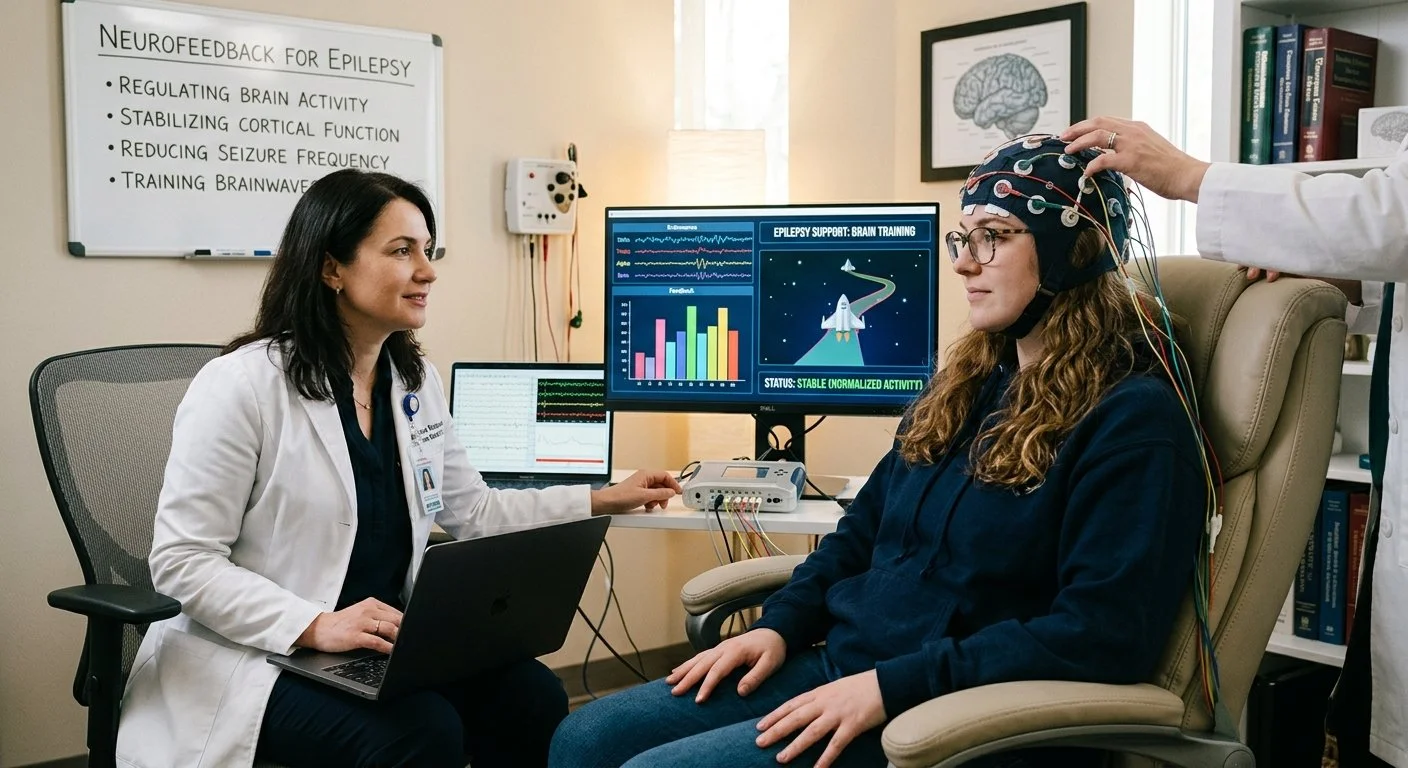
Living with epilepsy can present daily challenges that extend beyond seizures. Many individuals also experience concerns related to concentration, memory, stress, sleep, and emotional well being. While medications remain the primary treatment for controlling seizures, many people look for complementary therapies that may support overall brain health and improve quality of life.
One approach receiving increasing attention is Neurofeedback for Epilepsy. Neurofeedback is a non-invasive form of brain training designed to help the brain regulate its electrical activity more effectively. Although it is not a cure for epilepsy and should never replace prescribed medical treatment, research suggests it may offer supportive benefits for some individuals when used alongside a physician's treatment plan.
Understanding Epilepsy:
Epilepsy is a neurological disorder characterized by recurring, unprovoked seizures caused by abnormal electrical activity in the brain. According to the Centers for Disease Control and Prevention (CDC), millions of Americans live with epilepsy, and the condition affects people of all ages.
Seizures vary widely from person to person. Some involve noticeable convulsions, while others may appear as brief periods of staring, confusion, or unusual sensations.
Depending on the type and severity of epilepsy, individuals may also experience:
Memory difficulties
Trouble concentrating
Sleep disturbances
Anxiety
Depression
Fatigue
Emotional stress
Managing epilepsy often requires a comprehensive approach that includes medication, regular medical care, healthy lifestyle habits, and, in some cases, complementary therapies.
How Neurofeedback May Support Epilepsy:
The brain relies on balanced electrical activity to function properly. Since epilepsy involves disruptions in normal electrical signaling, researchers have explored whether neurofeedback can help individuals develop healthier brainwave regulation.
Neurofeedback for Epilepsy focuses on encouraging brainwave patterns associated with greater stability while reducing patterns that may contribute to neurological dysregulation.
Although research continues, neurofeedback is generally considered a complementary therapy rather than a replacement for medical treatment.
Potential Benefits Beyond Seizure Management:
While seizure control remains the primary goal of epilepsy treatment, many individuals seek additional support for symptoms that affect daily life.
Improved Attention;
Some people with epilepsy experience difficulty maintaining focus due to seizures, medication side effects, or disrupted brain activity. Neurofeedback may help strengthen attention and concentration by promoting healthier brain function.
Better Sleep Quality:
Poor sleep is a common seizure trigger for many individuals. Neurofeedback may support healthier sleep patterns by encouraging balanced brainwave activity associated with relaxation and restorative sleep.
Enhanced Cognitive Function:
Many individuals report improvements in mental clarity, memory, and information processing following neurofeedback training. While results vary, these improvements may contribute to a better quality of life.
These potential benefits make Neurofeedback for Epilepsy an area of growing interest for both patients and healthcare providers.
What Does the Research Say?
Research on neurofeedback and epilepsy has expanded over the past several decades. Some studies have reported reductions in seizure frequency among certain participants who completed neurofeedback training in combination with standard medical care.
Other research has found improvements in:
Attention
Emotional regulation
Cognitive performance
Sleep quality
Overall well being
However, researchers also emphasize that larger, well designed clinical studies are still needed to better understand who benefits most and how neurofeedback should be integrated into epilepsy care.
Because individual responses vary, neurofeedback should always be discussed with a neurologist or qualified healthcare provider.
What Happens During a Neurofeedback Session?
Many people are surprised by how comfortable neurofeedback sessions are.
A typical session includes:
Placement of small EEG sensors on the scalp
Recording of brainwave activity
Viewing a movie or interactive program
Real time feedback based on brain activity
Sessions lasting approximately 30 to 60 minutes
The training is painless, non-invasive, and does not involve electrical stimulation.
Most individuals participate in multiple sessions over several weeks or months, depending on their personalized treatment plan.
Neurofeedback Works Best as Part of Comprehensive Care:
It is important to understand that Neurofeedback for Epilepsy is intended to complement, not replace, conventional medical treatment.
Successful epilepsy management often includes:
Medication Compliance: Taking anti seizure medications exactly as prescribed remains essential.
Regular Neurology Visits: Routine follow up appointments help monitor seizure control and adjust treatment when needed.
Healthy Sleep Habits: Consistent sleep schedules may reduce seizure risk for many individuals.
Stress Management: Mindfulness, exercise, and relaxation techniques can support overall neurological health.
Personalized Neurofeedback: When recommended by a qualified provider, neurofeedback may become one component of a broader brain health strategy.
Combining these approaches allows individuals to address both seizure management and overall cognitive wellness.
Is Neurofeedback Right for Everyone?
Not every individual with epilepsy is a candidate for neurofeedback. Treatment decisions should always be based on a thorough medical evaluation.
People considering neurofeedback should:
Consult their neurologist before beginning therapy.
Work with experienced neurofeedback professionals.
Continue all prescribed medications unless instructed otherwise by their physician.
Discuss realistic expectations and treatment goals.
An individualized approach ensures therapy is both appropriate and coordinated with ongoing medical care.
Conclusion:
Epilepsy affects far more than seizure activity alone. It can influence concentration, emotional health, sleep, and everyday functioning. While medication remains the cornerstone of treatment, Neurofeedback for Epilepsy is emerging as a promising complementary therapy that may help support brain self regulation and improve overall quality of life.
Although additional research is still needed, neurofeedback offers a non-invasive, drug-free approach that may enhance cognitive function, reduce stress, and promote healthier brainwave patterns when combined with conventional epilepsy care. Every treatment plan should be personalized and developed in partnership with qualified healthcare professionals.

About the Author
“Melissa Hergert is the Founder and CEO of Brain Train Centers and CoFounder of Brain Train Nation. She is Board Certified in Neurofeedback Therapy and Amen Clinic Brain Coach Certified.
She is dedicated to educating communities about the power of neurofeedback and how it can help the brain heal and overcome many mental health symptoms.”
