
How AI and Neurofeedback Are Shaping the Future of Therapy
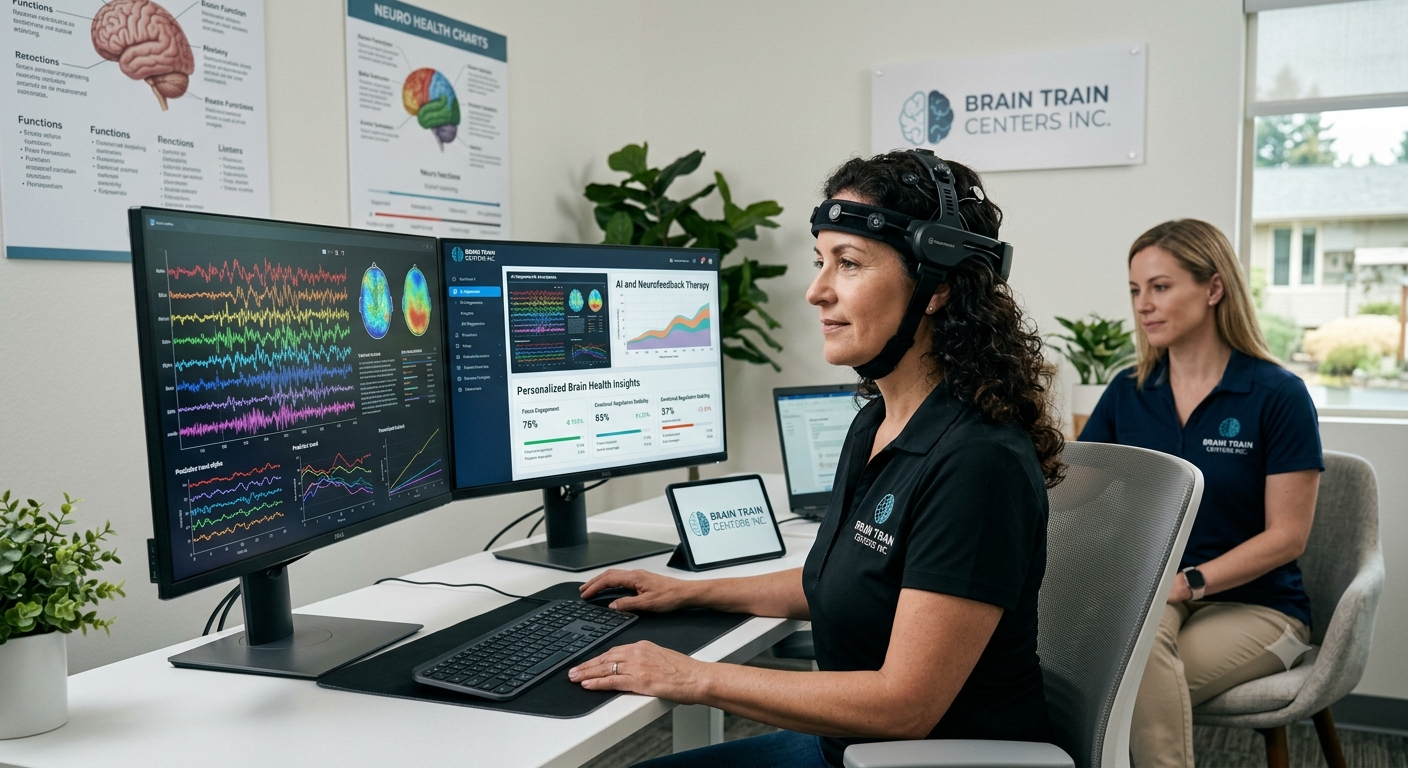
Mental health care and brain training are evolving rapidly as technology continues to advance. Among the most promising innovations is the combination of artificial intelligence (AI) and neurofeedback. Together, these technologies are creating more personalized, data driven approaches to improving brain function and supporting overall mental wellness.
AI and Neurofeedback Therapy is helping clinicians better understand brain activity, personalize treatment plans, and monitor progress with greater accuracy than ever before. While neurofeedback has long been recognized as an effective, non-invasive therapy for training the brain, AI is expanding its capabilities by making therapy more adaptive and efficient.
As research continues to grow, the partnership between AI and neurofeedback is expected to play an increasingly important role in the future of cognitive health.
What Role Does Artificial Intelligence Play?
Artificial intelligence refers to computer systems capable of recognizing patterns, processing large amounts of information, and making predictions based on data.
In healthcare, AI helps clinicians identify trends that may not be immediately visible through manual analysis. When combined with neurofeedback, AI can evaluate complex brainwave patterns more efficiently and provide valuable insights that support individualized care.
The integration of AI and Neurofeedback Therapy allows professionals to make more informed decisions while continuously adapting treatment to each person's unique brain activity.
Creating More Personalized Therapy:
No two brains function exactly the same way. Even individuals with similar symptoms may have very different brainwave patterns.
AI helps analyze EEG data in greater detail by identifying subtle differences between individuals. Instead of relying solely on generalized treatment protocols, clinicians can develop therapy plans tailored to each person's neurological profile.
This personalized approach may improve the effectiveness of neurofeedback while allowing therapy to focus on the brain's specific needs.
Improving Real Time Feedback:
One of neurofeedback's greatest strengths is its ability to provide immediate feedback as the brain learns.
Artificial intelligence enhances this process by continuously analyzing incoming brainwave data throughout each session. If the brain's activity changes, AI can help adjust training parameters quickly, allowing therapy to remain aligned with the individual's current neurological state.
This dynamic adjustment is one reason AI and Neurofeedback Therapy continues gaining attention among researchers and clinicians.
Identifying Patterns More Efficiently:
Brain activity generates enormous amounts of information during neurofeedback sessions. Reviewing this data manually can be time consuming.
AI excels at recognizing patterns across thousands of data points within seconds. This capability helps clinicians identify trends involving:
Attention: Tracking improvements in sustained focus over time.
Emotional Regulation: Observing changes associated with stress and anxiety management.
Cognitive Performance: Monitoring progress in memory, processing speed, and executive functioning.
Sleep Related Activity: Recognizing brainwave changes that may influence healthy sleep patterns.
These insights allow providers to evaluate progress more objectively while making data supported adjustments when necessary.
Supporting Better Clinical Decisions:
Artificial intelligence does not replace trained neurofeedback professionals. Instead, it serves as a powerful clinical tool that enhances decision making.
Experienced clinicians continue interpreting assessment results, considering medical history, and developing individualized care plans. AI simply provides additional information that supports greater precision.
By combining professional expertise with advanced technology, AI and Neurofeedback Therapy creates a collaborative approach that benefits both clinicians and patients.
Potential Applications Across Many Conditions:
Researchers continue exploring how AI enhanced neurofeedback may support individuals experiencing a variety of neurological and mental health concerns.
Current areas of interest include:
ADHD
Anxiety disorders
Depression
Post traumatic stress disorder (PTSD)
Mild traumatic brain injury
Cognitive decline
Peak performance training
While outcomes vary between individuals, ongoing research suggests AI may help optimize therapy by improving personalization and progress tracking.
The Benefits for Patients:
Individuals participating in AI supported neurofeedback programs may experience several practical advantages.
Potential benefits include:
Greater Personalization:Treatment is based on each person's unique brain activity instead of generalized assumptions.
More Accurate Progress Monitoring: Detailed brainwave analysis allows clinicians to evaluate improvements throughout therapy.
Efficient Treatment Adjustments: Real time data helps providers refine sessions as progress develops.
Increased Patient Engagement: Visual feedback and measurable progress often encourage individuals to stay committed to their therapy plans.
These advantages demonstrate why AI and Neurofeedback Therapy is becoming an exciting advancement in brain health.
The Future of Brain Training:
Artificial intelligence continues improving rapidly, opening new possibilities for neurofeedback.
Future developments may include:
More advanced predictive analytics
Earlier identification of cognitive changes
Improved personalization through machine learning
Enhanced remote monitoring capabilities
Faster interpretation of EEG assessments
Greater integration with wearable health technology
As these technologies evolve, neurofeedback is expected to become even more accessible and individualized.
Although technology continues advancing, the human relationship between clinician and patient will remain essential. AI serves as a tool that supports professional expertise rather than replacing it.
Choosing a Qualified Neurofeedback Provider:
Because neurofeedback is highly individualized, selecting an experienced provider remains one of the most important decisions.
When evaluating a clinic, consider whether they:
Perform comprehensive assessments
Create individualized treatment plans
Monitor progress throughout therapy
Use evidence informed neurofeedback techniques
Stay current with emerging technologies and research
A qualified provider can explain how advanced tools, including AI, may be incorporated into treatment while ensuring therapy remains safe and personalized.
Conclusion:
The future of brain health is becoming increasingly intelligent. By combining the adaptability of neurofeedback with the analytical power of artificial intelligence, AI and Neurofeedback Therapy is transforming how clinicians understand, monitor, and support brain function.
This innovative approach offers greater personalization, more precise data analysis, and enhanced treatment monitoring while preserving the essential role of experienced healthcare professionals. As technology continues to evolve, AI supported neurofeedback has the potential to improve outcomes for individuals seeking better cognitive performance, emotional regulation, and overall mental wellness.

About the Author
“Melissa Hergert is the Founder and CEO of Brain Train Centers and CoFounder of Brain Train Nation. She is Board Certified in Neurofeedback Therapy and Amen Clinic Brain Coach Certified.
She is dedicated to educating communities about the power of neurofeedback and how it can help the brain heal and overcome many mental health symptoms.”
