
How Neurofeedback Improves Decision Making Abilities
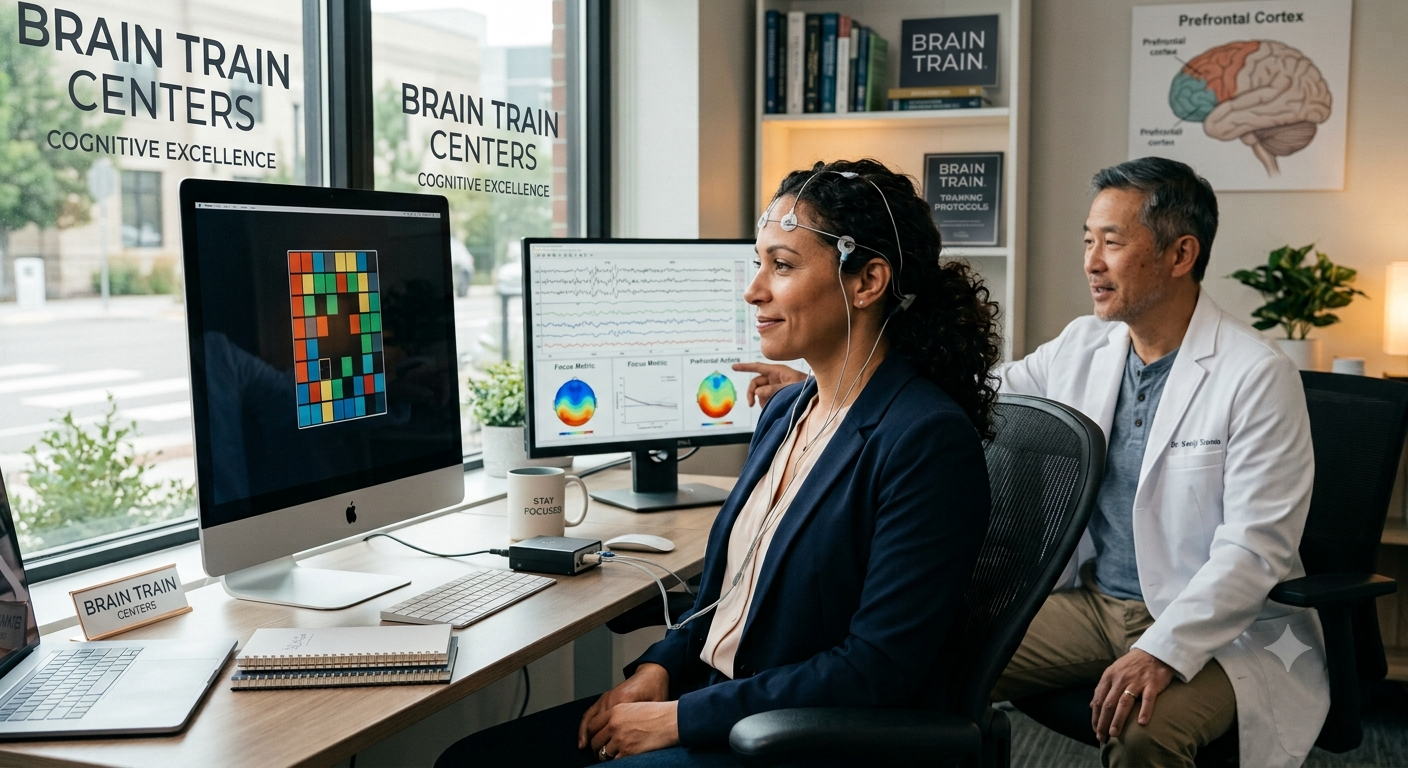
Every day, we make hundreds of decisions, from simple choices like what to eat for breakfast to complex decisions that affect our careers, relationships, and health. Strong decision-making relies on a healthy brain that can process information efficiently, regulate emotions, and adapt to changing situations. When the brain is stressed, fatigued, or struggling with attention, making sound decisions becomes much more challenging.
This is where Decision-Making Neurofeedback offers a unique advantage. Neurofeedback is a non-invasive brain training technique designed to help individuals optimize brain function by improving self-regulation. Rather than simply managing symptoms, neurofeedback works to strengthen the brain's natural ability to process information, remain focused, and respond thoughtfully to everyday challenges.
Why Decision-Making Depends on Brain Function:
Good decisions involve multiple areas of the brain working together. The prefrontal cortex, often referred to as the brain's executive center, is especially important because it helps with:
Planning: Evaluating potential outcomes before making choices.
Problem Solving: Analyzing information logically and identifying effective solutions.
Emotional Regulation: Preventing emotions from overwhelming rational thinking.
Cognitive Flexibility: Adjusting strategies when circumstances change.
When these functions become impaired by stress, anxiety, sleep deprivation, attention challenges, or brain injuries, decision-making often suffers. Decision-Making Neurofeedback aims to improve these underlying brain functions rather than simply treating the symptoms.
How Neurofeedback Enhances Decision-Making:
Neurofeedback strengthens communication between different regions of the brain, allowing information to be processed more efficiently. As brainwave patterns become more balanced, individuals often notice improvements in several key cognitive skills.
Improved Focus:
Distractions make it difficult to evaluate information accurately. Neurofeedback helps improve sustained attention, allowing individuals to stay engaged with tasks long enough to make informed decisions.
Better Emotional Control:
Emotions naturally influence decision-making, but excessive stress or anxiety can lead to impulsive choices. Neurofeedback helps regulate emotional responses, making it easier to pause, evaluate options, and respond thoughtfully.
Faster Information Processing:
An efficiently functioning brain can organize information more quickly. This allows individuals to assess situations without feeling overwhelmed by competing thoughts.
Increased Mental Clarity:
Many people describe improved clarity after neurofeedback training. With less mental "noise," it becomes easier to prioritize information and identify practical solutions.
These improvements demonstrate why Decision-Making Neurofeedback is gaining attention among healthcare professionals and individuals seeking better cognitive performance.
Everyday Benefits of Better Decision-Making:
Stronger decision-making abilities extend into nearly every area of life.
At work, improved cognitive performance may help professionals:
Prioritize projects more effectively
Respond calmly under pressure
Solve complex problems
Lead teams with greater confidence
Students may benefit by:
Organizing study schedules
Managing academic stress
Improving test performance
Maintaining focus during learning
Families often notice positive changes as individuals become more patient, communicate more effectively, and approach conflicts with greater emotional balance.
Neurofeedback and Stress Management:
Stress is one of the most common obstacles to sound decision-making. When stress levels remain elevated, the brain shifts into survival mode, making reactive choices rather than carefully considered ones.
Neurofeedback supports healthier brainwave regulation, helping the nervous system recover from chronic stress. As stress decreases, many individuals find it easier to evaluate situations objectively and make decisions based on logic instead of emotion.
This connection makes Decision-Making Neurofeedback valuable for individuals balancing demanding careers, busy family lives, or ongoing personal challenges.
Who May Benefit from Neurofeedback?
Neurofeedback supports people from many different backgrounds. While individual results vary, it may benefit those experiencing:
ADHD
Anxiety
Chronic stress
Sleep difficulties
Mild traumatic brain injuries
Peak performance goals
Executive functioning challenges
Business professionals, athletes, students, and older adults also seek neurofeedback to enhance cognitive performance and maintain mental sharpness.
Because every brain is unique, neurofeedback programs are typically personalized based on each individual's brainwave activity and goals.
Supporting Healthy Brain Function Beyond Neurofeedback:
Although neurofeedback is a powerful tool, maintaining healthy brain function also depends on daily habits. Supporting your brain with healthy lifestyle choices can maximize long-term results.
Helpful practices include:
Prioritize Quality Sleep: Restorative sleep allows the brain to consolidate memories and recover from daily demands.
Stay Physically Active: Exercise increases blood flow to the brain and supports overall cognitive performance.
Eat a Brain-Healthy Diet: Foods rich in omega-3 fatty acids, antioxidants, lean proteins, fruits, and vegetables help nourish brain cells.
Practice Mindfulness: Mindfulness exercises reduce stress while strengthening attention and emotional regulation.
Continue Learning: Reading, puzzles, learning new skills, and engaging conversations help keep the brain active and adaptable.
Combining these healthy habits with Decision-Making Neurofeedback creates a comprehensive approach to cognitive wellness.
Conclusion:
Making thoughtful decisions requires more than intelligence. It depends on a brain that can remain focused, regulate emotions, process information efficiently, and adapt to new situations. Decision-Making Neurofeedback supports these essential cognitive abilities by helping the brain develop healthier patterns of activity through personalized training.
Whether you're looking to improve workplace performance, strengthen academic success, manage stress, or simply make more confident everyday decisions, neurofeedback offers a science-based, drug-free approach to optimizing brain function.

About the Author
“Melissa Hergert is the Founder and CEO of Brain Train Centers and CoFounder of Brain Train Nation. She is Board Certified in Neurofeedback Therapy and Amen Clinic Brain Coach Certified.
She is dedicated to educating communities about the power of neurofeedback and how it can help the brain heal and overcome many mental health symptoms.”
