
Who Can Benefit from Neurofeedback Therapy?
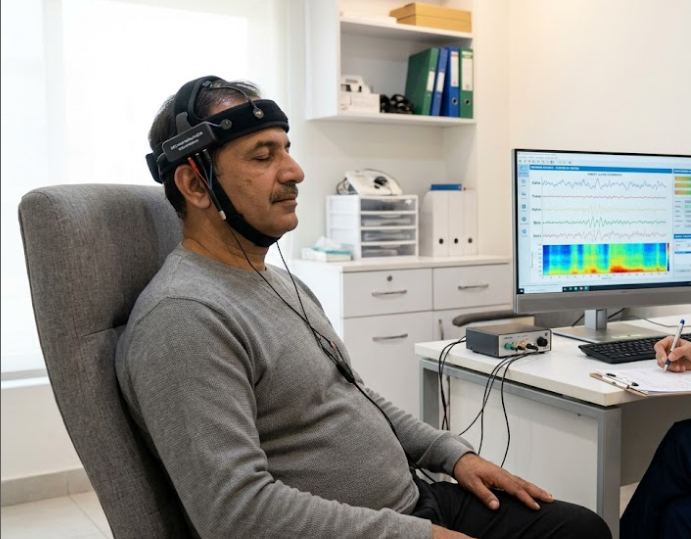
Neurofeedback therapy is revolutionizing how we support brain health, helping individuals regulate mood, improve focus, reduce stress, and unlock better brain performance without medication. But who exactly can benefit from this powerful brain-training approach? In this article, we break it all down so you can understand whether neurofeedback therapy might be right for you or your loved ones.
1. Children and Teens With Focus or Learning Challenges:
Many children struggling with attention, impulsivity, or academic performance find support through neurofeedback therapy. Patterns of dysregulated brainwave activity are often linked with focus and executive function issues, and training the brain can help improve:
sustained attention
task completion
emotional control
cognitive processing
Parents often choose neurofeedback therapy as a complementary tool alongside educational interventions to support lasting change.
2. Individuals with Neurodevelopmental Conditions:
People diagnosed with neurodevelopmental conditions, autism spectrum disorders, or other forms of neurodivergence frequently benefit from neurofeedback therapy. By gently guiding the brain toward healthier patterns, this approach supports better:
focus and concentration
emotional balance
sensory processing
adaptive responses to daily challenges
It doesn’t “cure” neurodivergence, but it strengthens the brain’s ability to regulate itself in ways that improve everyday functioning.
3. Anyone Experiencing Stress or Mood Dysregulation:
If emotions feel overwhelming or stress impacts daily life, neurofeedback therapy can help. By targeting the brainwave imbalances connected to anxiety and stress responses, neurofeedback supports:
reduced racing thoughts
calmer nervous system activity
improved emotional regulation
Unlike medications that may only mask symptoms, neurofeedback helps the brain genuinely train itself toward balance and resilience.
4. Individuals Coping with Sleep Issues:
Sleep difficulties often stem from dysregulated brainwave activity. Neurofeedback therapy helps train the brain to settle into restful, restorative patterns which can lead to:
deeper sleep cycles
easier time falling asleep
improved waking alertness
less nighttime anxiety
This can be especially valuable for those with insomnia linked to stress or mood imbalances.
5. People Struggling With Memory, Brain Fog, or Cognitive Decline:
As we age or when life becomes particularly demanding, many people experience sluggish thinking, forgetfulness, or foggy cognition. Neurofeedback therapy helps the brain produce cleaner, more efficient brainwave activity which supports:
better memory recall
enhanced processing speed
clearer mental focus
sharper overall cognition
6. High Performers Seeking Peak Mental Performance
You don’t have to struggle with symptoms to benefit from neurofeedback therapy. Many high-performers from athletes to entrepreneurs use it as a proactive way to:
enhance focus and productivity
strengthen emotional resilience
speed up recovery from stress
optimize brain functioning
Think of neurofeedback as a personal trainer for your brain helping you push mental performance to the next level.
7. Support for Addiction Recovery and Emotional Balance
Recovery from substance abuse, trauma, or emotional burnout isn’t just about psychological support; it's about healing the brain as well. Neurofeedback therapy has been used alongside traditional counseling to help retrain disrupted brainwave patterns, improving:
emotional regulation
impulse control
stress tolerance
overall brain stability
Is Neurofeedback Therapy Right for You?
Neurofeedback therapy isn’t a one size-fits-all solution but it has helped countless individuals across age groups and health concerns. If you’re looking for a non medication, brain-guided method to improve focus, regulate mood, enhance sleep, or strengthen cognitive patterns, neurofeedback may be a powerful piece of your wellness plan.
To determine your personal path, consider beginning with a qEEG brain map a painless, data-driven way to understand your brain’s unique activity and how neurofeedback therapy could help.
Final Thoughts:
Everyone’s brain is different which means the benefits of neurofeedback therapy are as diverse as the people who pursue it. Whether you or your loved one struggles with stress, memory issues, or are simply pursuing peak mental performance, neurofeedback offers a personalized, natural way to support brain health.

About the Author
“Melissa Hergert is the Founder and CEO of Brain Train Centers and CoFounder of Brain Train Nation. She is Board Certified in Neurofeedback Therapy and Amen Clinic Brain Coach Certified.
She is dedicated to educating communities about the power of neurofeedback and how it can help the brain heal and overcome many mental health symptoms.”
