
The Role of Neurofeedback in Addiction Recovery
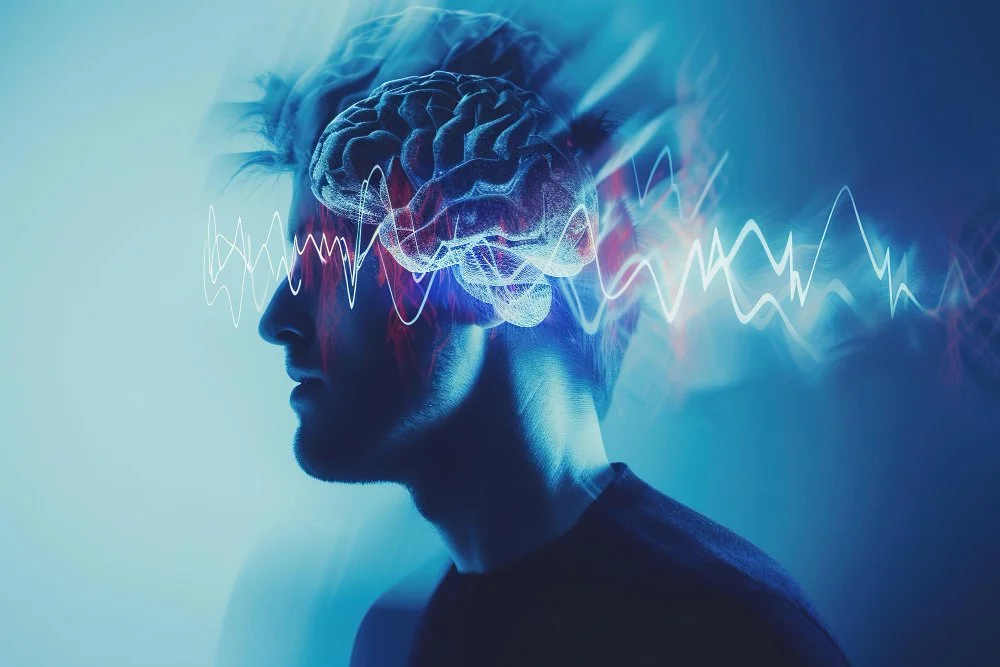
Recovery from addiction is a journey that requires strength, support, and the right tools. While counseling, support groups, and lifestyle changes are essential, many people are discovering that neurofeedback can be a valuable addition to the recovery process. By helping the brain regulate itself, neurofeedback supports healing from the inside out.
How Addiction Affects the Brain
Addiction rewires the brain’s reward system, making it harder to feel balanced without the substance or behavior. It can also disrupt brainwave patterns, leaving people stuck in cycles of craving, impulsivity, anxiety, or depression. These changes make recovery more difficult, even with strong willpower and support
How Neurofeedback Helps
Neurofeedback gives the brain real-time feedback so it can relearn healthier patterns. During a 30-minute session, sensors monitor brain activity while the client watches a TV show. The system rewards the brain when it shifts toward balance, helping to reduce patterns linked to stress, impulsivity, and cravings. Over time, the brain becomes better at calming itself and staying regulated.
Benefits in Recovery
Research and clinical use suggest that neurofeedback can help people in recovery by:
Reducing cravings and relapse risk • Improving emotional regulation
Supporting focus and decision-making
Easing anxiety, depression, or sleep problems that often accompany recovery
Helping the brain heal after prolonged stress from substance use
Complementary, Not a Replacement
Neurofeedback is not a stand-alone treatment for addiction. Instead, it works best as part of a comprehensive recovery plan that may include therapy, medical care, peer support, and lifestyle changes. By making the brain more balanced and resilient, neurofeedback can strengthen a person’s ability to stay committed to recovery
The Bottom Line
Addiction affects both the body and the brain. Neurofeedback helps address the brain side of recovery, giving it tools to reset, self-regulate, and heal. When combined with counseling and community support, it can be a powerful partner on the path to long-term recovery.

About the Author
“Katie Lent is a brain health coach and neurofeedback practitioner who blends neuroscience, behavior, and holistic wellness. As the owner of Brain Train Centers St. Pete, she is passionate about helping clients optimize brain function, regulate their nervous systems, and unlock their full potential.”
