
Common Myths About Neurofeedback and the Truth Behind Them
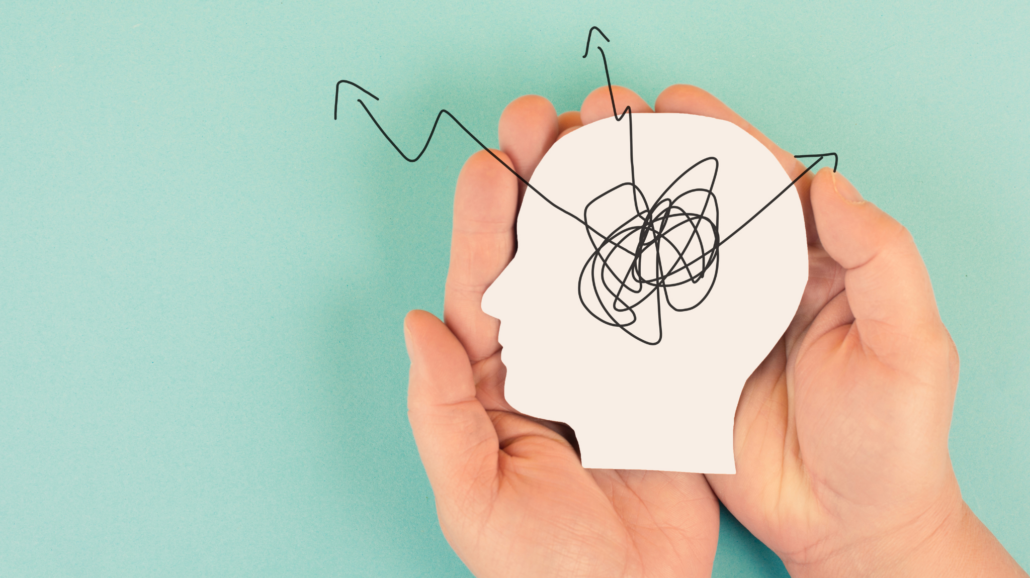
Neurofeedback has been used for decades to help people improve focus, manage stress, and support emotional and cognitive health. Yet, because it is still a growing field, many myths and misunderstandings surround it. Let’s clear up some of the most common misconceptions so you can see what neurofeedback is really about.
Myth 1: Neurofeedback Is Shock Therapy
The Truth: Neurofeedback is completely non-invasive and does not involve shocks or electrical stimulation. Sensors placed on the scalp only measure brainwave activity; nothing goes into the brain. The process is safe, painless, and drug-free.
Myth 2: It’s Only for People with Serious Disorders
The Truth: While neurofeedback can be very helpful for conditions like ADHD, anxiety, or sleep problems, it’s also used by athletes, executives, and everyday people who want to optimize performance, manage stress, or improve focus.
Myth 3: The Results Are Just Placebo
The Truth: Research shows that neurofeedback creates measurable changes in brain activity. The brain literally learns to produce healthier patterns through practice and feedback, much like training a muscle. These changes can be long-lasting because they are learned skills, not temporary fixes.
Myth 4: You Only Need One or Two Sessions
The Truth: Just like physical training, brain training takes practice. While some people notice changes quickly, most benefit from a series of sessions to build and strengthen new patterns. Neurofeedback is about lasting improvement, not quick tricks.
Myth 5: Neurofeedback Makes You Lose Control of Your Mind
The Truth: Neurofeedback does not control or override your brain. Instead, it gives your brain information about its own activity so it can self-correct. You are always in control during the process
Myth 6: It’s Too New to Be Trusted
The Truth: Neurofeedback has been around since the 1960s and has been studied for decades. Advances in technology have made it more accessible and effective, but the science behind it is well established.
The Bottom Line
Neurofeedback is safe, natural, and grounded in decades of research. It’s not about controlling the brain, but about helping it learn to regulate itself more effectively. By clearing up these myths, it’s easier to see how neurofeedback can support brain health and improve quality of life for people of all ages.

About the Author
“Katie Lent is a brain health coach and neurofeedback practitioner who blends neuroscience, behavior, and holistic wellness. As the owner of Brain Train Centers St. Pete, she is passionate about helping clients optimize brain function, regulate their nervous systems, and unlock their full potential.”
