
Is Neurofeedback Safe? Evidence and Research Explained
When considering a new approach to brain health, safety is always the first question. The good news is that neurofeedback is widely regarded as safe, non-invasive, and drug-free. Backed by decades of research, it has become a trusted method for supporting mental wellness and optimizing brain function.
How Neurofeedback Works
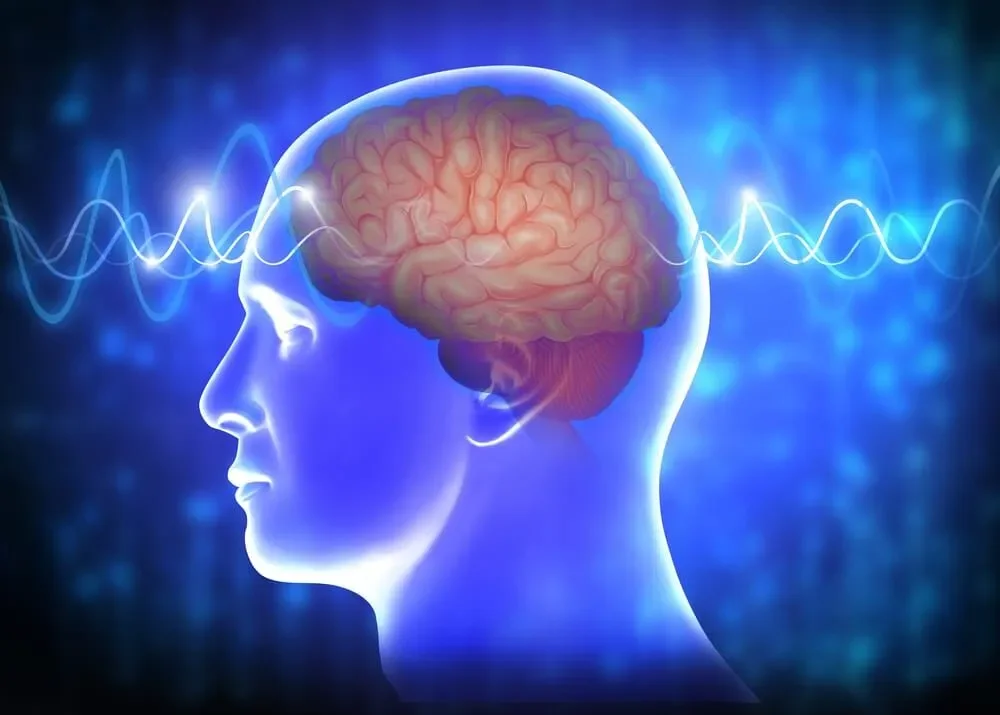
Neurofeedback uses sensors placed on the scalp to monitor brainwave activity. Nothing enters the body. There are no shocks, drugs, or invasive procedures. The sensors simply listen to the brain’s electrical signals. While you watch a TV show during a 30-minute session, the system provides gentle feedback when your brain makes healthier patterns. Over time, your brain learns to regulate itself more effectively
What Research Shows
Research over the past 40 years supports the safety and effectiveness of neurofeedback. Studies have found benefits for conditions like ADHD, anxiety, insomnia, depression, and more. Importantly, clinical trials and case studies consistently report minimal side effects. When side effects do occur, they are generally mild and temporary, such as feeling a little tired after a session or experiencing vivid dreams as the brain adjusts.
Why It’s Considered Safe
Non-invasive: Only sensors on the scalp, nothing enters the body
Drug-free: No reliance on medications or chemicals
Self-regulation: The brain learns to adjust itself, rather than being forced into change
Widely studied: Decades of scientific research and clinical use support its safety
What Clients Experience
Most clients describe sessions as relaxing. Many even report feeling calmer, clearer, or more focused after training. Because the brain is gently guided rather than forced, the risk of harm is extremely low. Neurofeedback has been safely used with children, adults, and even older populations.
The Bottom Line
Neurofeedback is considered a safe, effective, and research-supported approach to brain training. With its non-invasive, drug-free design and decades of evidence behind it, it offers peace of mind for anyone exploring it as part of their journey toward better brain health and mental wellness

About the Author
“Katie Lent is a brain health coach and neurofeedback practitioner who blends neuroscience, behavior, and holistic wellness. As the owner of Brain Train Centers St. Pete, she is passionate about helping clients optimize brain function, regulate their nervous systems, and unlock their full potential.”
