
The Difference Between Neurofeedback and Biofeedback
You may have heard the terms neurofeedback and biofeedback and wondered if they are the same thing. While they are closely related and both help people gain better control over their health, they focus on different parts of the body and mind. Understanding the difference can help you choose which approach is right for you.
What Is Biofeedback?
Biofeedback is a mind-body technique that teaches people to control certain physical functions that are usually automatic. Sensors are placed on the body to measure things like:
Heart rate
Breathing
Muscle tension
Skin temperature
With real-time feedback, clients can learn to lower blood pressure, relax tight muscles, or calm their breathing. Biofeedback is often used for stress management, chronic pain, headaches, or blood pressure regulation
What Is Neurofeedback?
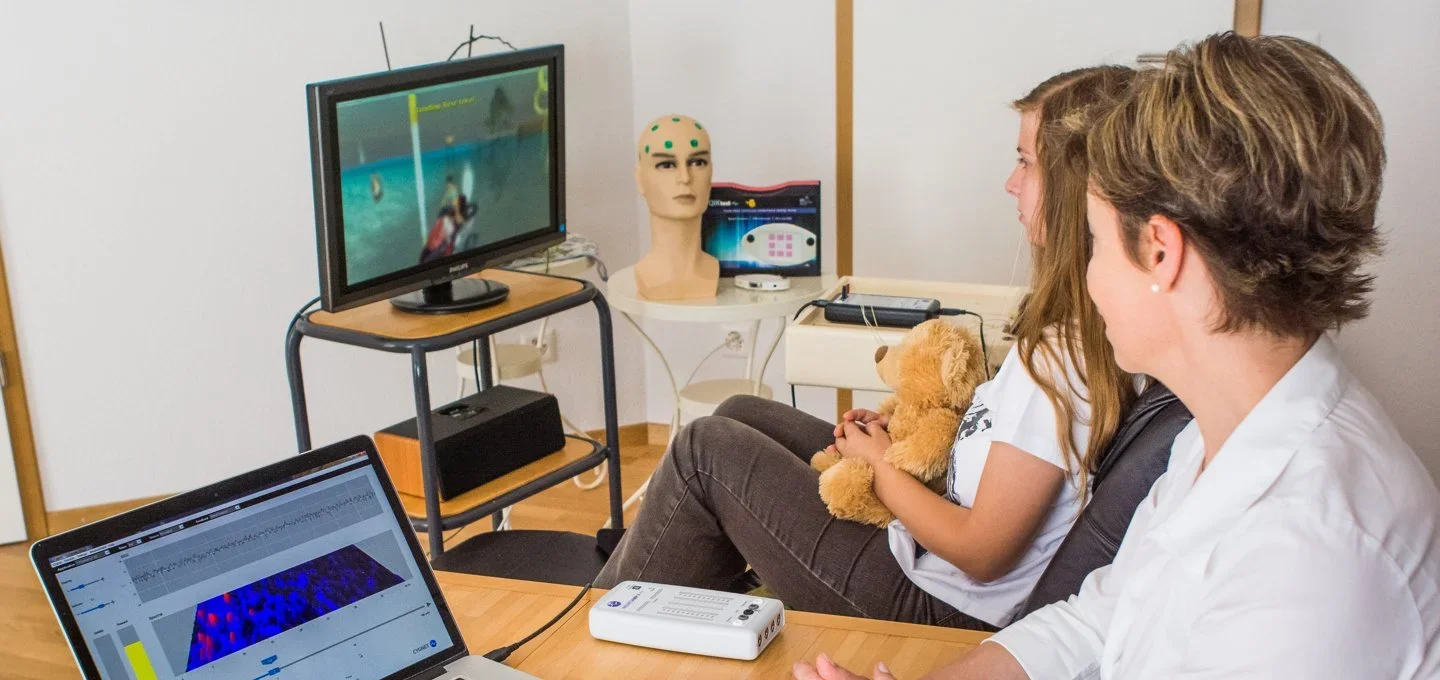
Neurofeedback is a specialized form of biofeedback that focuses specifically on the brain. Sensors are placed on the scalp to measure brainwave activity. During a session, the client relaxes and watches a TV show while the system provides real-time feedback. When the brain shifts into healthier patterns, the system rewards it, helping the brain learn to self-regulate.
Neurofeedback is often used to support:
Focus and attention (ADHD, concentration issues)
Sleep improvement
Stress and anxiety reduction
Mood regulation
Brain optimization and peak performance
Key Differences
Focus: Biofeedback trains the body; neurofeedback trains the brain.
Sensors: Biofeedback uses sensors on the body; neurofeedback uses sensors on the scalp
Goals: Biofeedback often targets physical health, while neurofeedback focuses on mental wellness, emotional regulation, and cognitive performance.
The Bottom Line
Both biofeedback and neurofeedback are safe, non-invasive, and drug-free methods that empower people to take control of their health. The difference lies in what they measure and train: biofeedback works with the body, while neurofeedback works with the brain. Together, they can provide powerful tools for building resilience, balance, and well-being.If you or someone you love is struggling with trauma-related symptoms, exploring neurofeedback could be the missing piece in the recovery journey.

About the Author
“Katie Lent is a brain health coach and neurofeedback practitioner who blends neuroscience, behavior, and holistic wellness. As the owner of Brain Train Centers St. Pete, she is passionate about helping clients optimize brain function, regulate their nervous systems, and unlock their full potential.”
