
Neurofeedback and Neurodivergence: A Path to Balance and Growth
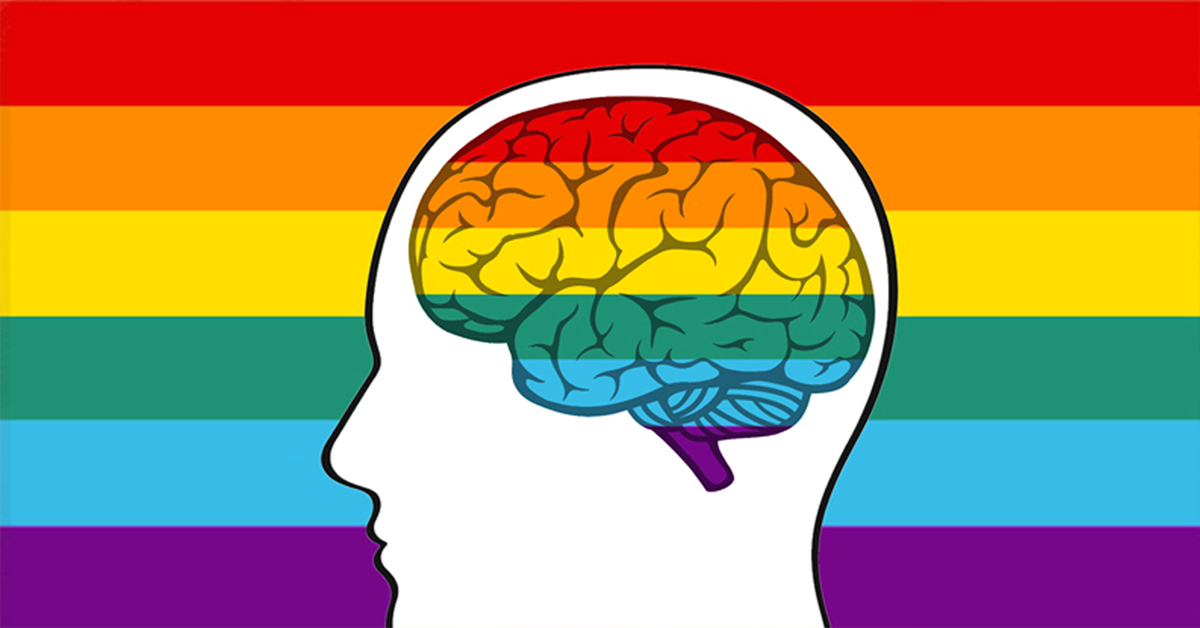
Neurodivergence is a beautiful reminder that our brains don’t all work the same way, and that’s a good thing. Whether someone lives with ADHD, autism, learning differences, or other cognitive variations, neurodivergence shapes how they think, feel, and interact with the world. At the same time, it can also bring challenges like difficulty focusing, managing emotions, or calming the nervous system when overstimulated.
This is where neurofeedback comes in. Neurofeedback is a gentle, non-invasive approach that helps the brain recognize and practice healthier patterns. By training the brain to shift from dysregulation into balance, neurofeedback can make everyday life feel more manageable.
How It Works
During a neurofeedback session, sensors measure your brain’s activity in real time. You simply relax and watch a TV show of your choice while the computer tracks your brainwaves. When your brain makes the shifts we want to encourage, the screen and sound respond, giving your brain instant feedback. Over time, this feedback teaches your brain how to self-regulate more effectively, like building a muscle for balance, focus, and The amygdala – becomes overactive, keeping the body in constant fight-or-flight
This combination can leave someone feeling on edge, easily triggered, or emotionally numb—long after the traumatic event is over.
Why It Matters for Neurodivergent Brains
Neurodivergent brains aren’t broken, they’re just wired differently. But many people find they get stuck in patterns that make daily life harder:
ADHD may come with too many slow waves when focus is needed.
Autism can involve overactive or underactive brain regions that impact sensory processing or social interactions.
Anxiety often shows up as an excess of fast brainwaves, keeping the nervous system on high alert
Neurofeedback doesn’t erase neurodivergence. It helps the brain become more flexible. For many people, this means clearer thinking, better sleep, more emotional regulation, and less overwhelm. It’s about supporting the whole person, honoring how their brain works, and giving them more tools to thrive.
A Holistic Piece of the Puzzle
Neurofeedback is not a magic fix, but it’s a powerful tool when combined with other supports like counseling, coaching, nutrition, movement, and community. For neurodivergent individuals, it can mean fewer barriers and more access to the things that matter most: connection, learning, creativity, and joy. At Brain Train Centers St. Pete, we believe every brain deserves the chance to work at its best. If you or someone you love is neurodivergent and curious about how neurofeedback might help, we’d love to share more
What to Expect in a Program
A typical trauma-focused neurofeedback plan includes:
20–40 sessions, each lasting 30–45 minutes.
Gradual improvements that build session by session.
A complementary role alongside therapy, mindfulness, or lifestyle changes.
Many people begin to feel calmer after just a handful of sessions, though deeper, lasting recovery comes with consistency.
Tips for Success with Trauma Recovery
Pair with therapy – combining neurofeedback with counseling or trauma-focused therapy (like EMDR) can enhance results.
Go at your own pace – healing from trauma is personal; neurofeedback allows gradual progress without forcing difficult conversations.
Practice self-care – sleep, nutrition, and mindfulness practices can support the brain’s healing process.
Final Thoughts
Trauma may leave lasting imprints on the brain, but it doesn’t have to define your future. Neurofeedback offers a gentle yet powerful way to retrain the brain, reduce symptoms, and support long-term healing.
If you or someone you love is struggling with trauma-related symptoms, exploring neurofeedback could be the missing piece in the recovery journey.
If you or a loved one struggles with anger, exploring neurofeedback could be a powerful step toward calmer, healthier responses—and a better quality of life.
About the Author
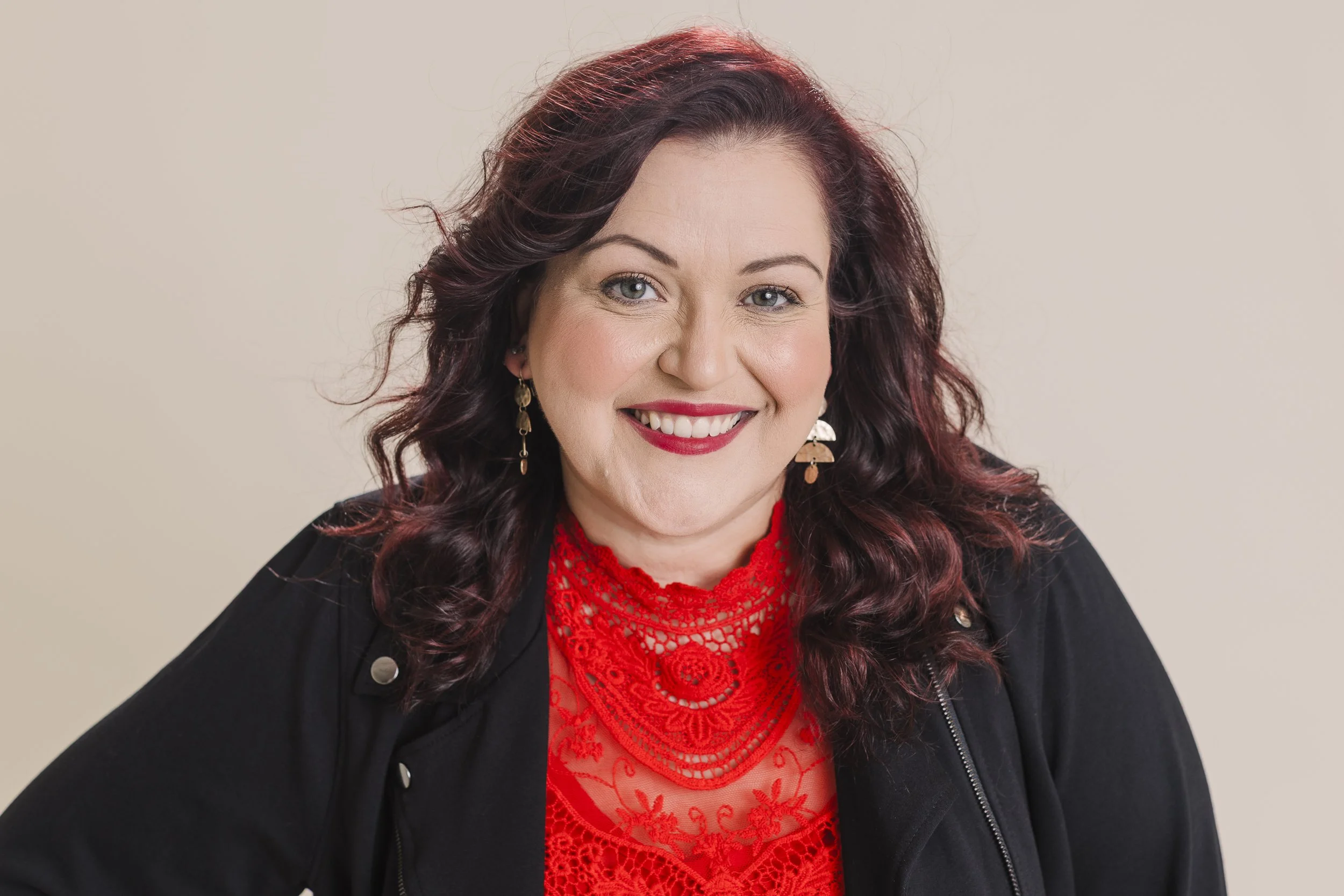
“Katie Lent is a brain health coach and neurofeedback practitioner who blends neuroscience, behavior, and holistic wellness. As the owner of Brain Train Centers St. Pete, she is passionate about helping clients optimize brain function, regulate their nervous systems, and unlock their full potential.”
