
Neurofeedback for Students: Improving Focus, Memory, and Test Performance
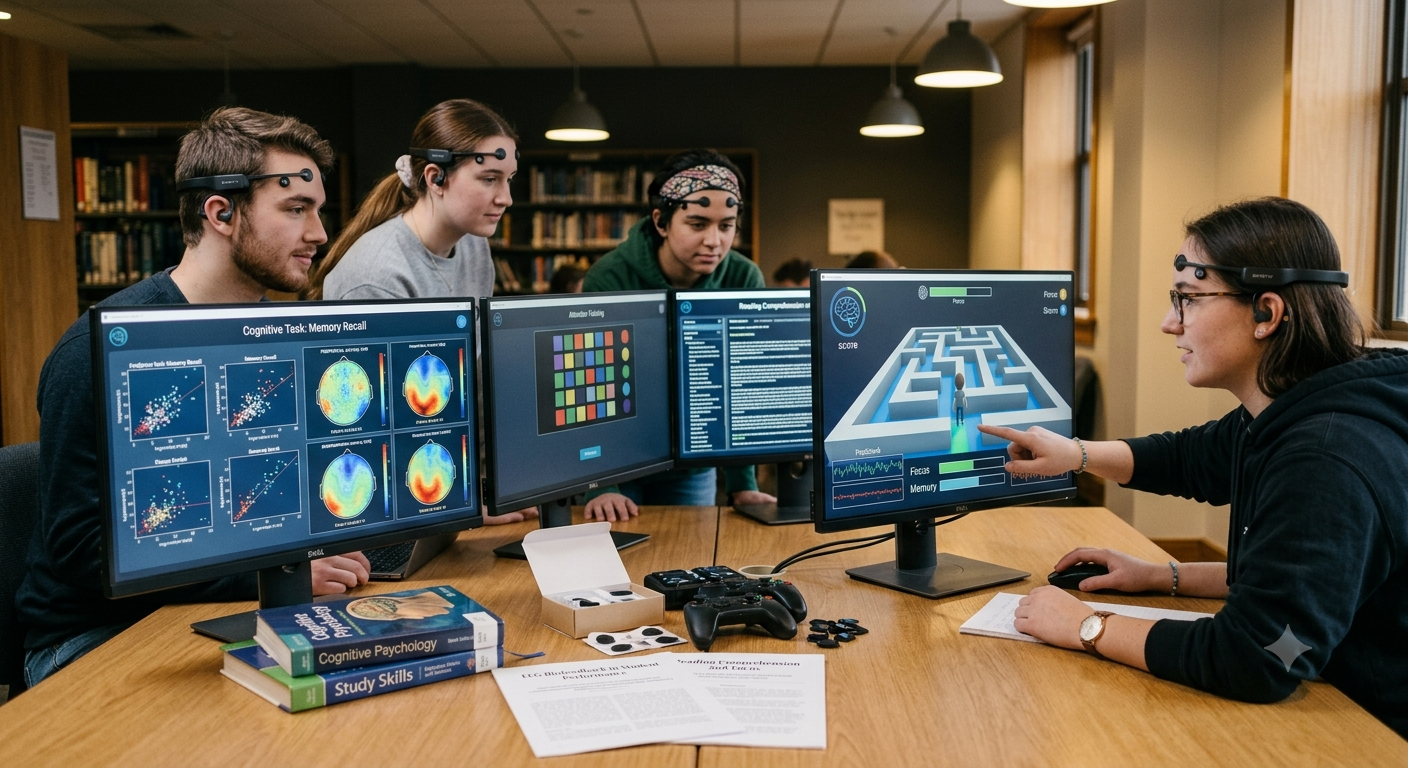
Today's students face more academic demands than ever before. From managing homework and preparing for exams to balancing extracurricular activities and social responsibilities, maintaining focus and staying mentally organized can be challenging. Many students struggle with attention, memory retention, test anxiety, and information processing, even when they are highly motivated to succeed.
As families explore ways to support academic performance, interest in neurofeedback for students continues to grow. Neurofeedback is a non-invasive brain training approach that helps individuals learn to regulate their brain activity more effectively. By promoting healthier brain function, neurofeedback may support improvements in focus, memory, emotional regulation, and overall learning performance.
Understanding how neurofeedback for students works can help parents and educators make informed decisions about supporting cognitive development and academic success.
Why Focus Matters in Learning:
Focus is one of the most important skills for academic success. Students must be able to sustain attention long enough to absorb information, complete assignments, participate in classroom activities, and perform well during exams.
When attention is inconsistent, students may experience:
Difficulty following instructions
Incomplete assignments
Careless mistakes
Poor organization
Reduced classroom participation
Frustration with schoolwork
For many students, the challenge is not intelligence or motivation but the brain's ability to maintain consistent attention. This is one reason why neurofeedback for students is often explored as a tool for strengthening focus and concentration.
How Neurofeedback May Support Attention and Concentration:
The brain relies on balanced brainwave activity to maintain focus. Certain brainwave patterns are associated with alertness and concentration, while others are linked to relaxation or distraction.
When brainwave activity becomes dysregulated, students may struggle to remain attentive during learning activities. Neurofeedback aims to help the brain develop healthier patterns that support sustained attention.
Many families report improvements in:
Classroom focus
Task completion
Listening skills
Organization
Mental endurance
As a result, neurofeedback for students may help create a stronger foundation for effective learning and academic engagement.
The Connection Between Memory and Academic Performance:
Learning new information is only part of the educational process. Students must also be able to retain, organize, and retrieve information when needed.
Memory plays a critical role in:
Reading comprehension
Vocabulary development
Mathematical problem-solving
Test preparation
Long-term academic achievement
When memory processes are functioning efficiently, students are often better equipped to build upon previously learned concepts and apply knowledge in new situations.
Supporting Working Memory:
Working memory refers to the brain's ability to temporarily hold and manipulate information. It is essential for tasks such as following multi-step directions, solving problems, and understanding complex material.
Some students struggle with working memory, making it difficult to keep pace with classroom expectations. Through improved brain self-regulation, neurofeedback for students may help support cognitive functions that contribute to stronger memory performance.
Neurofeedback and Test Performance:
Even well-prepared students can struggle during exams. Test anxiety, mental fatigue, and difficulty concentrating under pressure can interfere with performance.
Stress often activates brainwave patterns associated with worry and overthinking. When this occurs, students may find it difficult to access information they have already learned.
Improving Mental Readiness:
One potential benefit of neurofeedback for students is improved self-regulation during stressful situations. By helping the brain maintain more balanced activity, neurofeedback may support:
Better concentration during exams
Reduced mental distractions
Improved emotional regulation
Greater confidence
Enhanced cognitive efficiency
Students who can remain calm and focused are often better able to demonstrate their true knowledge and abilities during testing situations.
Supporting Students Beyond Academics:
While academic performance is often a primary goal, the benefits of stronger self-regulation can extend into many areas of life.
Students who improve their ability to manage attention and emotions may also experience:
Better time management
Improved study habits
Increased motivation
Greater resilience
Enhanced problem-solving skills
Stronger self-confidence
The impact of neurofeedback for students may extend beyond grades by supporting skills that contribute to long-term personal and academic growth.
Who May Benefit from Neurofeedback?
Every student is unique, and neurofeedback is not designed to produce identical results for everyone. However, some students may benefit from additional support when they experience challenges related to:
Focus and concentration
Memory retention
Test anxiety
Mental fatigue
Organization
Self-regulation
Academic performance
Parents often seek solutions when traditional study strategies are not producing the desired outcomes. In these situations, exploring brain-based training approaches may provide additional opportunities for support.
The Importance of a Comprehensive Approach:
Neurofeedback is most effective when viewed as one component of a broader strategy for academic success.
Students benefit from:
Consistent sleep schedules
Healthy nutrition
Regular physical activity
Effective study habits
Time management skills
Supportive learning environments
When combined with healthy lifestyle habits, neurofeedback for students may help reinforce the brain's ability to learn, adapt, and perform effectively.
Why Families Are Exploring Brain Training Options:
As awareness of brain health continues to grow, many families are looking beyond traditional academic support services. Rather than focusing solely on symptoms, brain training approaches seek to strengthen the underlying cognitive processes involved in learning and performance.
At Brain Train Centers, neurofeedback and cognitive training programs are designed to help individuals better understand and optimize how their brains function. By supporting attention, memory, and self-regulation, these approaches may help students develop skills that contribute to lifelong learning success.
Final Thoughts:
Academic success depends on more than intelligence alone. Focus, memory, emotional regulation, and cognitive efficiency all play important roles in a student's ability to learn and perform at their best.
The growing interest in neurofeedback for students reflects a desire to support these essential brain functions in a safe and non-invasive way. While every student's journey is unique, strengthening the brain's ability to self-regulate may help improve concentration, enhance memory, and support better performance both inside and outside the classroom.
By investing in brain health and cognitive development, students can build stronger foundations for academic achievement and future success.

About the Author
“Melissa Hergert is the Founder and CEO of Brain Train Centers and CoFounder of Brain Train Nation. She is Board Certified in Neurofeedback Therapy and Amen Clinic Brain Coach Certified.
She is dedicated to educating communities about the power of neurofeedback and how it can help the brain heal and overcome many mental health symptoms.”
