
How Neurofeedback Supports Peak Performance in Athletes
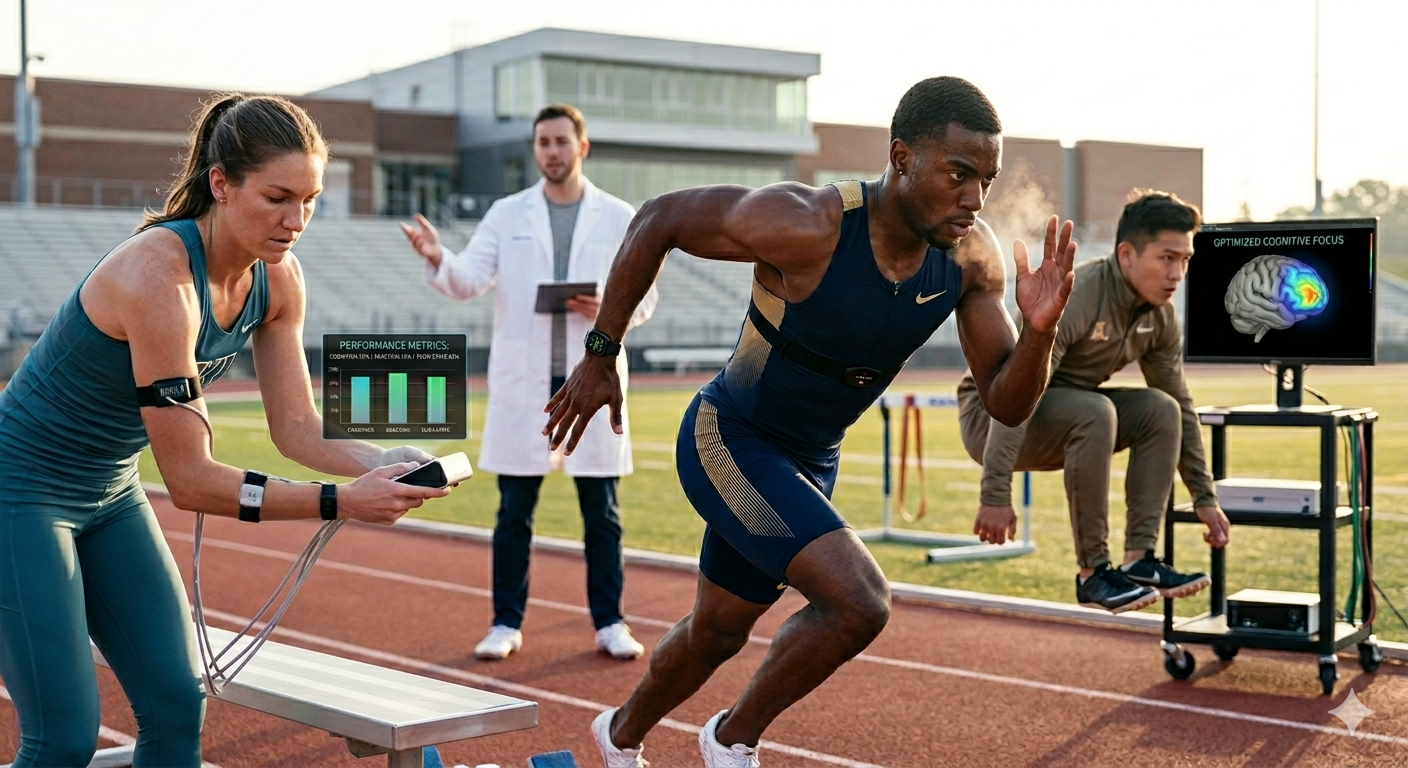
Success in sports is often associated with physical strength, endurance, and skill development. While these factors are essential, many athletes and coaches are recognizing that peak performance begins in the brain. The ability to stay focused under pressure, react quickly, maintain emotional control, and recover from setbacks can be just as important as physical conditioning.
This is why many professional, collegiate, and amateur athletes are turning to neurofeedback for athletes as part of their training programs. Neurofeedback is a non-invasive brain training technique that helps individuals optimize brain function, improve mental performance, and develop greater control over cognitive and emotional processes.
Whether you're a competitive athlete, weekend warrior, or student-athlete striving to perform at your best, neurofeedback may provide the mental edge needed to elevate your game.
What Is Neurofeedback?
Neurofeedback is a type of biofeedback that measures brainwave activity in real time. During a neurofeedback session, sensors are placed on the scalp to monitor electrical activity in the brain using electroencephalography (EEG).
The information is displayed through visual or auditory feedback, allowing the brain to recognize and gradually improve inefficient patterns of activity.
Over time, the brain learns to self-regulate more effectively, resulting in improvements in focus, attention, emotional regulation, and cognitive performance.
Many athletes use neurofeedback for athletes to train the brain in the same way they train muscles—through consistent practice and reinforcement.
The Mental Side of Athletic Performance:
Athletic success is heavily influenced by mental performance.
Common mental challenges athletes face include:
Performance anxiety
Difficulty focusing
Mental fatigue
Slow reaction times
Emotional frustration
Lack of confidence
Difficulty recovering after mistakes
Competitive pressure
Even highly skilled athletes can struggle when mental performance doesn't match physical ability.
Neurofeedback addresses these challenges by helping the brain operate more efficiently and consistently.
How Neurofeedback Improves Focus and Concentration:
One of the most significant benefits of neurofeedback for athletes is improved focus.
In sports, a brief lapse in concentration can affect:
Timing
Decision-making
Accuracy
Reaction speed
Overall performance
Neurofeedback helps train brainwave patterns associated with sustained attention and concentration.
Athletes often report improvements in their ability to:
Stay engaged during competition
Maintain focus under pressure
Avoid distractions
Execute skills consistently
Enhanced focus can be beneficial across virtually every sport, from golf and tennis to football, basketball, swimming, and track and field.
Faster Reaction Times and Decision-Making:
Many sports require split-second decisions.
Athletes must process information rapidly while responding appropriately to changing situations.
Examples include:
A quarterback reading defensive coverage
A tennis player reacting to a serve
A baseball player tracking a pitch
A soccer player anticipating movement
By improving communication and efficiency within the brain, neurofeedback for athletes may help support faster information processing and improved reaction times.
Better cognitive processing allows athletes to make quicker and more accurate decisions during competition.
Managing Performance Anxiety:
Pressure is an unavoidable part of sports.
Athletes often experience:
Pre-game nervousness
Fear of failure
Excessive self-criticism
Competition-related stress
While some level of nervousness is normal, excessive anxiety can negatively impact performance.
Neurofeedback helps regulate brainwave activity associated with stress responses and emotional regulation.
As athletes gain better control over these patterns, they often experience:
Greater emotional stability
Improved confidence
Reduced performance anxiety
Better composure during competition
This can help athletes perform closer to their true potential when it matters most.
Building Mental Resilience:
Every athlete experiences setbacks.
Examples include:
Missed opportunities
Tough losses
Injuries
Slumps in performance
The ability to recover mentally after adversity is often what separates good athletes from great ones.
Neurofeedback for athletes supports mental resilience by helping the brain adapt more effectively to stress and challenges.
Athletes who develop stronger resilience are often better equipped to:
Bounce back after mistakes
Maintain confidence
Stay motivated
Handle competitive pressure
Improving Sleep and Recovery:
Recovery is a critical component of athletic performance.
Poor sleep can negatively affect:
Reaction time
Focus
Recovery
Mood
Physical performance
Many athletes struggle with sleep disturbances due to training demands, travel schedules, and competition-related stress.
Neurofeedback can help promote healthier brainwave patterns associated with relaxation and sleep quality.
Improved sleep often leads to:
Better recovery
Increased energy
Enhanced cognitive function
Improved athletic performance
Supporting Injury Recovery:
Athletes recovering from injuries often face both physical and mental challenges.
In some cases, neurofeedback may be incorporated into a broader rehabilitation strategy to support:
Cognitive function
Emotional well-being
Stress management
Recovery confidence
Athletes recovering from concussions or mild traumatic brain injuries may also explore neurofeedback under the guidance of qualified healthcare professionals.
While neurofeedback is not a replacement for medical treatment, it may complement recovery efforts by supporting optimal brain function.
Who Can Benefit from Neurofeedback?
Although professional athletes have helped popularize brain training, neurofeedback can benefit individuals at many levels of competition.
Potential candidates include:
Youth Athletes:
Young athletes can develop stronger focus, emotional regulation, and confidence during critical developmental years.
High School and College Athletes:
Student-athletes often balance demanding academic and athletic responsibilities.
Neurofeedback may support:
Attention
Memory
Stress management
Academic performance
Professional Athletes:
Elite athletes often seek every possible advantage to improve consistency and performance.
Recreational Athletes:
Even non-professional athletes can benefit from enhanced focus, mental resilience, and cognitive performance.
What to Expect During Neurofeedback Training:
Neurofeedback sessions are non-invasive and generally comfortable.
During a session:
Sensors are placed on the scalp.
Brainwave activity is monitored.
Real-time feedback is provided through visual or auditory cues.
The brain gradually learns healthier patterns of activity.
Most individuals participate in a series of sessions to achieve optimal results.
Training programs are customized based on each person's goals and brainwave patterns.
The Growing Role of Brain Training in Sports:
Modern sports performance extends far beyond physical conditioning. As research continues to highlight the importance of cognitive function, more athletes are integrating mental training into their performance routines.
Neurofeedback for athletes offers a science-based approach to improving focus, reaction time, emotional control, resilience, and overall mental performance.
By strengthening the connection between brain and body, athletes can develop the skills necessary to perform more consistently and confidently under pressure.
Train Your Brain for Better Athletic Performance:
Physical training remains essential for athletic success, but peak performance often requires more than physical preparation alone. Athletes who optimize mental performance gain an advantage that can influence every aspect of competition.
At Brain Train Centers, we use advanced neurofeedback technology to help athletes improve focus, mental resilience, emotional regulation, and cognitive performance. Whether you're preparing for competition, recovering from setbacks, or looking to reach the next level, our personalized brain training programs can help support your goals.
Contact Brain Train Centers today to learn how neurofeedback can help you unlock your full athletic potential.

About the Author
“Melissa Hergert is the Founder and CEO of Brain Train Centers and CoFounder of Brain Train Nation. She is Board Certified in Neurofeedback Therapy and Amen Clinic Brain Coach Certified.
She is dedicated to educating communities about the power of neurofeedback and how it can help the brain heal and overcome many mental health symptoms.”
