
Can Neurofeedback Help With Aging and Memory Loss?
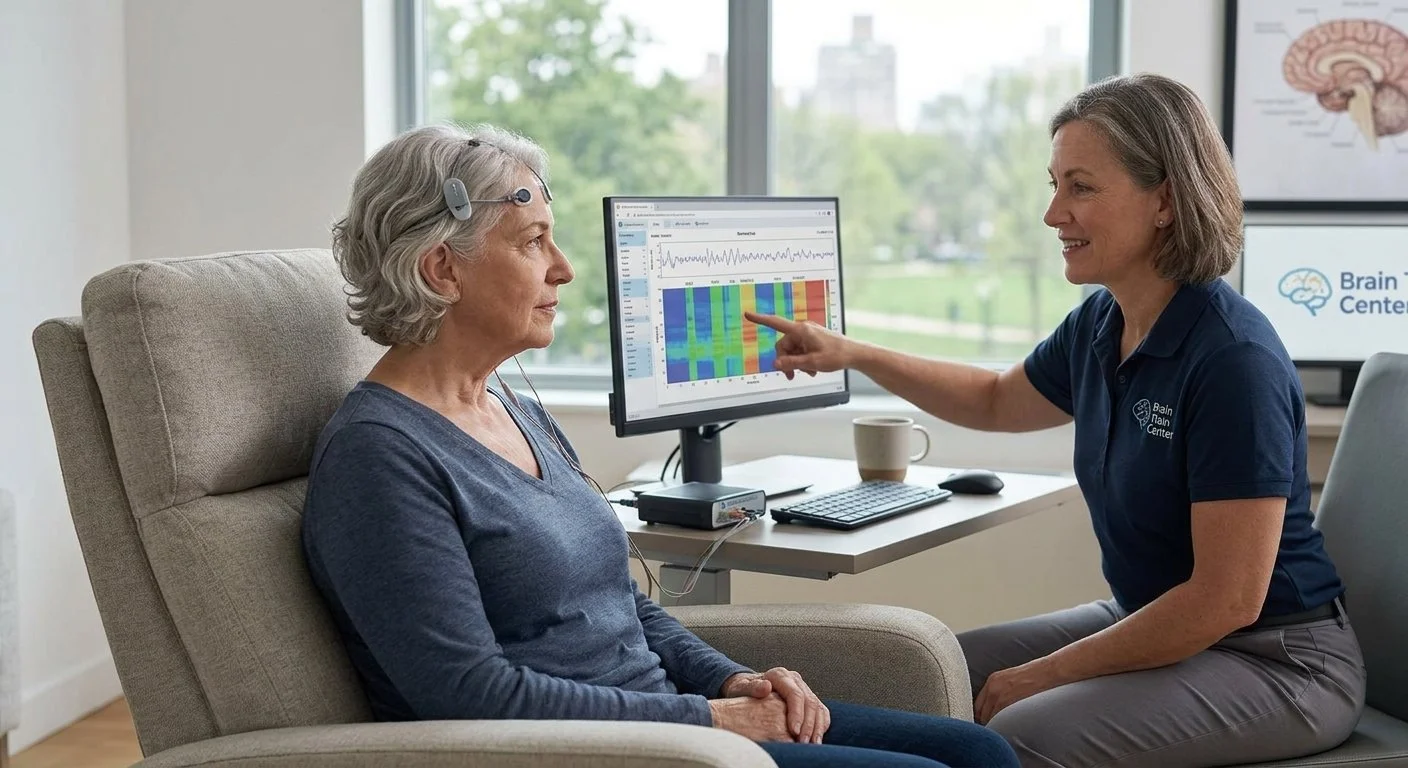
As people get older, it is natural to become more interested in maintaining memory, mental clarity, and cognitive independence.
Occasional forgetfulness can happen at any age. You might forget why you entered a room, misplace your keys, or struggle to remember a name. However, persistent or worsening memory changes should always be discussed with an appropriate healthcare professional.
As awareness of brain health grows, many people are exploring non-invasive ways to support cognitive wellness. One approach receiving increased attention is neurofeedback for memory loss.
But what is neurofeedback, and can it play a role in supporting brain health as we age?
How Aging Can Affect the Brain:
The brain changes throughout life.
Some individuals may notice gradual changes in:
Processing speed
Attention
Memory
Mental energy
Sleep quality
Multitasking
Cognitive flexibility
These changes can be influenced by many factors, including stress, sleep, physical health, medications, lifestyle, and normal aging.
Not all memory problems are the same, which is why understanding the underlying cause is important.
Can Neurofeedback Support Memory?
Research and clinical interest in neurofeedback for memory loss continue to grow.
Neurofeedback may be used as part of a personalized program designed to support areas such as:
Attention
Focus
Mental clarity
Cognitive processing
Sleep
Stress regulation
These areas are important because memory does not work independently from the rest of the brain.
For example, chronic stress can make it difficult to concentrate and retain information. Poor sleep can also affect attention and memory. Supporting overall brain regulation may therefore play a role in cognitive wellness.
However, neurofeedback should not be presented as a cure for dementia, Alzheimer's disease, or other medical conditions. Individual results vary, and people experiencing significant memory changes should receive appropriate medical evaluation.
Why Brain Mapping Can Be Helpful:
A personalized approach often begins with understanding how an individual's brain is functioning.
A QEEG, commonly referred to as a brain map, measures and analyzes brainwave activity. This information may help providers identify patterns and develop individualized training recommendations.
At Brain Train Centers, brain mapping is used as part of the process of understanding individual brain function and determining appropriate neurofeedback recommendations. (Brain Train Centers)
Because every person has unique brain activity and health needs, personalized assessment can be more informative than using the same approach for everyone.
Memory Is Connected to Overall Brain Health:
Supporting memory involves more than trying to remember more information.
A comprehensive approach may also include attention to:
Sleep:
The brain depends on quality sleep for many important functions, including memory consolidation and recovery.
Stress:
Long-term stress can interfere with focus and mental clarity.
Physical Activity:
Regular movement supports overall cardiovascular and physical health, both of which are connected to brain wellness.
Mental Stimulation:
Learning, reading, problem-solving, and engaging in new activities can help keep the mind active.
Social Connection:
Maintaining meaningful relationships and social engagement can also support emotional and cognitive wellbeing.
Neurofeedback may be one part of a broader brain health strategy.
Who May Consider Neurofeedback?
Individuals may consider neurofeedback if they are concerned about:
Mental fog
Difficulty concentrating
Age-related changes in cognitive performance
Stress-related attention difficulties
Sleep concerns
A desire to support overall brain wellness
A qualified provider can help determine whether neurofeedback may be appropriate based on individual concerns and goals.
Important Considerations About Memory Loss:
It is important to distinguish between normal forgetfulness and potentially concerning memory changes.
Seek appropriate medical guidance if memory problems are:
Sudden
Rapidly worsening
Interfering with daily life
Accompanied by personality or behavioral changes
Associated with confusion or disorientation
Neurofeedback can be part of a wellness or supportive care strategy, but it should not replace medical diagnosis or treatment.
Supporting Your Brain as You Age:
Healthy aging involves more than waiting to see what happens.
Taking proactive steps may help individuals support their overall wellbeing and cognitive performance.
Helpful strategies can include:
Prioritizing quality sleep
Exercising regularly
Managing stress
Staying mentally active
Maintaining social connections
Eating a brain-healthy diet
Seeking professional guidance when changes occur
For some individuals, neurofeedback for memory loss may also be worth exploring as part of a personalized approach to brain health.
Learn More About Neurofeedback and Brain Health:
Aging does not mean you have to stop paying attention to your brain. Understanding your brain function and supporting healthy habits can be valuable at every stage of life.
At Brain Train Centers, we provide personalized neurofeedback and brain mapping services designed to help individuals better understand and support their brain health.
Contact your nearest Brain Train Center to learn whether a brain map and personalized neurofeedback program may be appropriate for your goals.

About the Author
“Melissa Hergert is the Founder and CEO of Brain Train Centers and CoFounder of Brain Train Nation. She is Board Certified in Neurofeedback Therapy and Amen Clinic Brain Coach Certified.
She is dedicated to educating communities about the power of neurofeedback and how it can help the brain heal and overcome many mental health symptoms.”
