
The Future of Brain Health: Neurofeedback and AI
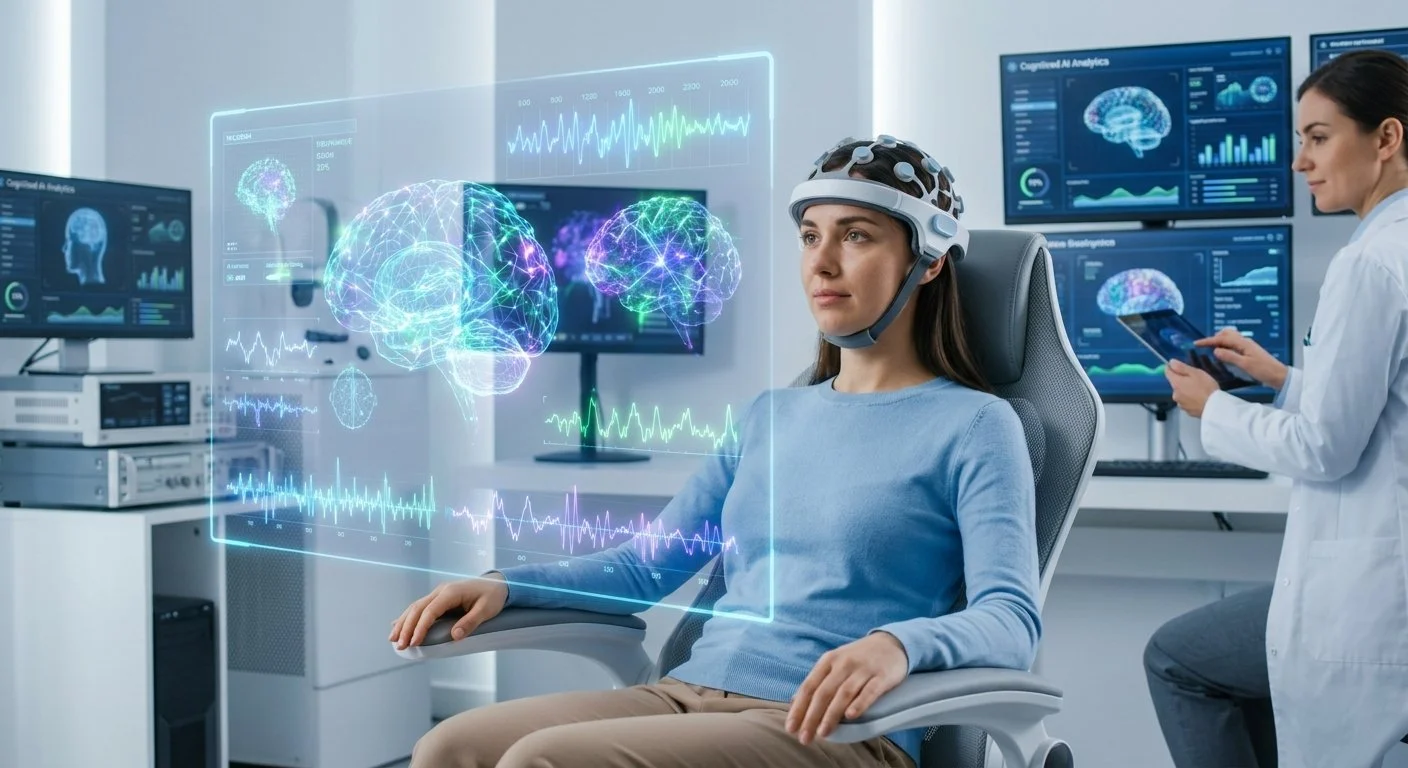
Technology is changing the way we understand and support the human brain. From advanced brain imaging to personalized wellness tools, new innovations are making it easier to study brain activity and identify patterns that may affect focus, memory, mood, sleep, and overall cognitive performance.
One of the most exciting developments is the growing relationship between AI and neurofeedback.
Neurofeedback has been used for decades as a non-invasive way to help individuals understand and train their brain activity. Artificial intelligence can add another layer by helping professionals analyze complex information, identify patterns, and support more personalized approaches to care.
As technology continues to evolve, the future of brain health may become increasingly individualized, data-informed, and proactive.
Understanding Neurofeedback:
Neurofeedback, also known as EEG biofeedback, monitors brainwave activity and provides real-time feedback to the brain.
During a neurofeedback session, sensors are placed on the scalp to measure electrical activity. These sensors do not send electricity into the brain. Instead, they record brainwave patterns.
The information can then be used to provide feedback through a game, video, sound, or other activity. Over time, this feedback may help the brain recognize and develop healthier patterns of activity.
At Brain Train Centers, neurofeedback is part of a personalized approach to brain health that can include evaluation, brain mapping, and individualized training recommendations. (Brain Train Centers)
How AI Is Changing Brain Health Technology:
Artificial intelligence is especially useful when large amounts of information need to be analyzed.
The human brain produces enormous amounts of complex activity. EEG and brainwave data can contain patterns that change over time and differ significantly from one individual to another.
AI systems may help professionals:
Identify patterns within large sets of brainwave data
Compare changes over multiple sessions
Support more efficient progress tracking
Recognize trends that may deserve closer attention
Assist in creating more personalized recommendations
The goal is not to replace experienced professionals. Instead, AI can serve as an additional tool that helps clinicians and brain health providers make more informed decisions.
A More Personalized Approach to Brain Training:
No two brains are exactly alike.
Two people may both struggle with concentration, for example, while having very different factors influencing their cognitive performance. One person may be dealing with poor sleep, while another may experience chronic stress or difficulty regulating attention.
This is where AI and neurofeedback may become particularly valuable.
Advanced technology can potentially help organize and interpret information more efficiently, allowing providers to better understand individual patterns and monitor changes over time.
A personalized approach may focus on areas such as:
Focus and Attention:
Tracking changes in concentration and sustained attention may help individuals understand how their brain is responding to training.
Memory and Cognitive Performance:
Brain health programs may monitor areas related to processing speed, learning, memory, and mental clarity.
Stress and Emotional Regulation:
Brainwave activity can be influenced by stress and emotional states. Personalized training may support healthier regulation patterns.
Sleep:
Because healthy sleep plays an important role in cognitive function, changes in sleep-related brain activity may also be considered during brain health evaluations.
AI Does Not Replace Human Expertise:
One important misconception about artificial intelligence is that technology will eventually replace healthcare and wellness professionals.
That is not the goal.
AI can process information quickly, but technology does not replace professional judgment, experience, or the human relationship involved in personalized care.
A qualified neurofeedback provider still plays an essential role in:
Reviewing assessments
Understanding individual concerns
Considering personal history
Monitoring progress
Making appropriate recommendations
The best future for brain health may combine advanced technology with experienced human guidance.
The Future May Focus More on Prevention:
Traditionally, many people think about brain health only after they begin experiencing significant symptoms.
However, the future of brain health may place greater emphasis on prevention and optimization.
People may increasingly monitor factors such as:
Sleep quality
Stress levels
Cognitive performance
Attention
Memory
Mental fatigue
Lifestyle habits
Just as people exercise to support physical health, brain training and healthy lifestyle practices may become a more common part of maintaining cognitive wellness.
The Role of Neurofeedback in the Future:
Neurofeedback continues to evolve alongside advances in technology and brain research.
As data analysis becomes more sophisticated, providers may be able to gain clearer insights into how individuals respond to training. AI could potentially make this process faster and more adaptive while preserving the personalized nature of neurofeedback.
The future of AI and neurofeedback may include:
More personalized training programs
Improved data analysis
Better progress monitoring
More adaptive technology
Greater understanding of individual brain patterns
However, technology should always be used responsibly and as part of an individualized approach.
A Smarter Future for Brain Health:
The future of brain health is not simply about using more technology. It is about using technology more effectively.
AI and neurofeedback represent an exciting opportunity to better understand brain activity while supporting personalized approaches to focus, cognitive performance, emotional regulation, and overall wellness.
As these technologies continue to develop, individuals may have more opportunities to take an active role in supporting their brain health.
At Brain Train Centers, our goal is to provide personalized, non-invasive approaches that help individuals better understand their brain and work toward improved function and quality of life.
Ready to learn more about neurofeedback? Contact your nearest Brain Train Center to explore whether brain mapping and personalized neurofeedback training may be right for you.

About the Author
“Melissa Hergert is the Founder and CEO of Brain Train Centers and CoFounder of Brain Train Nation. She is Board Certified in Neurofeedback Therapy and Amen Clinic Brain Coach Certified.
She is dedicated to educating communities about the power of neurofeedback and how it can help the brain heal and overcome many mental health symptoms.”
